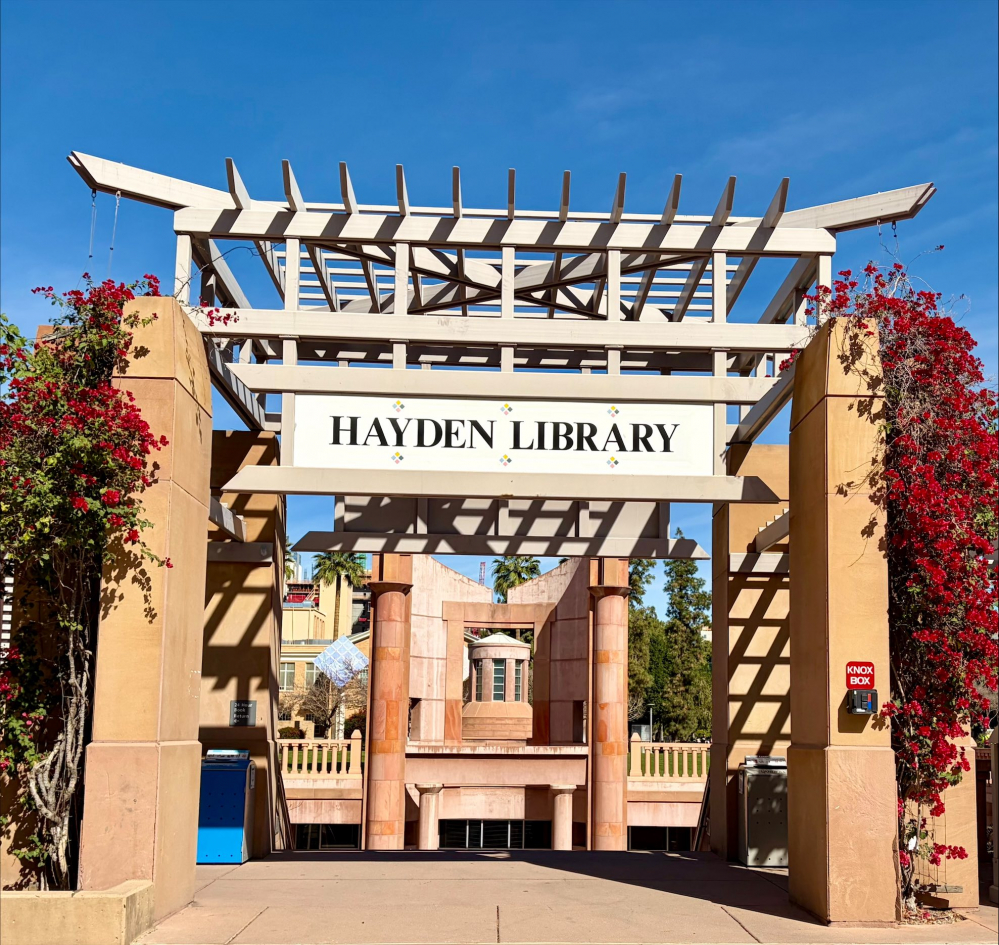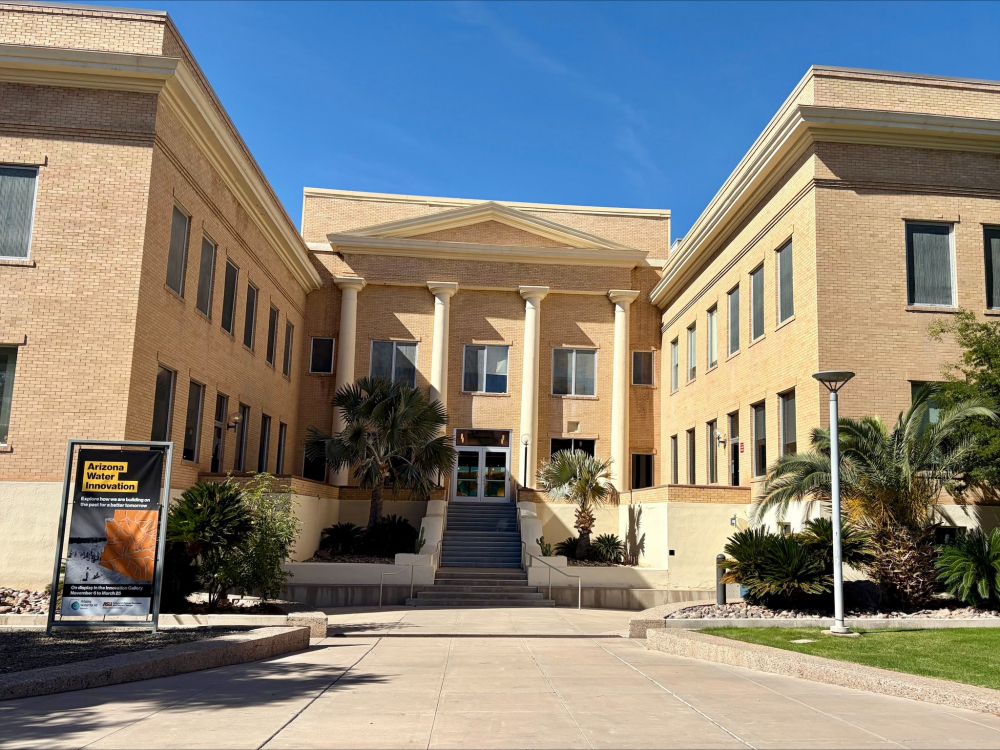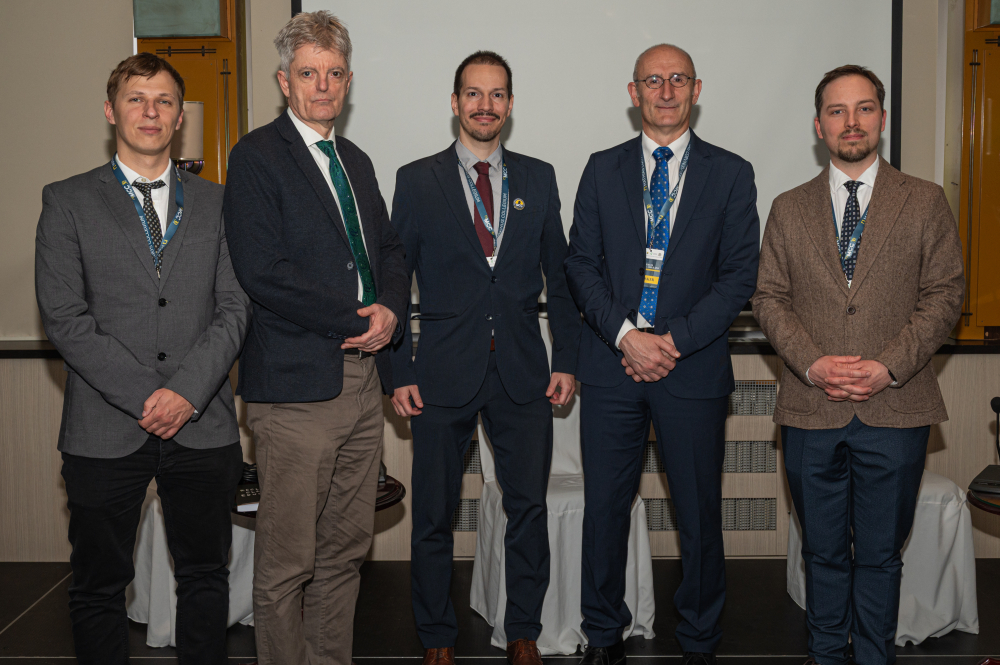
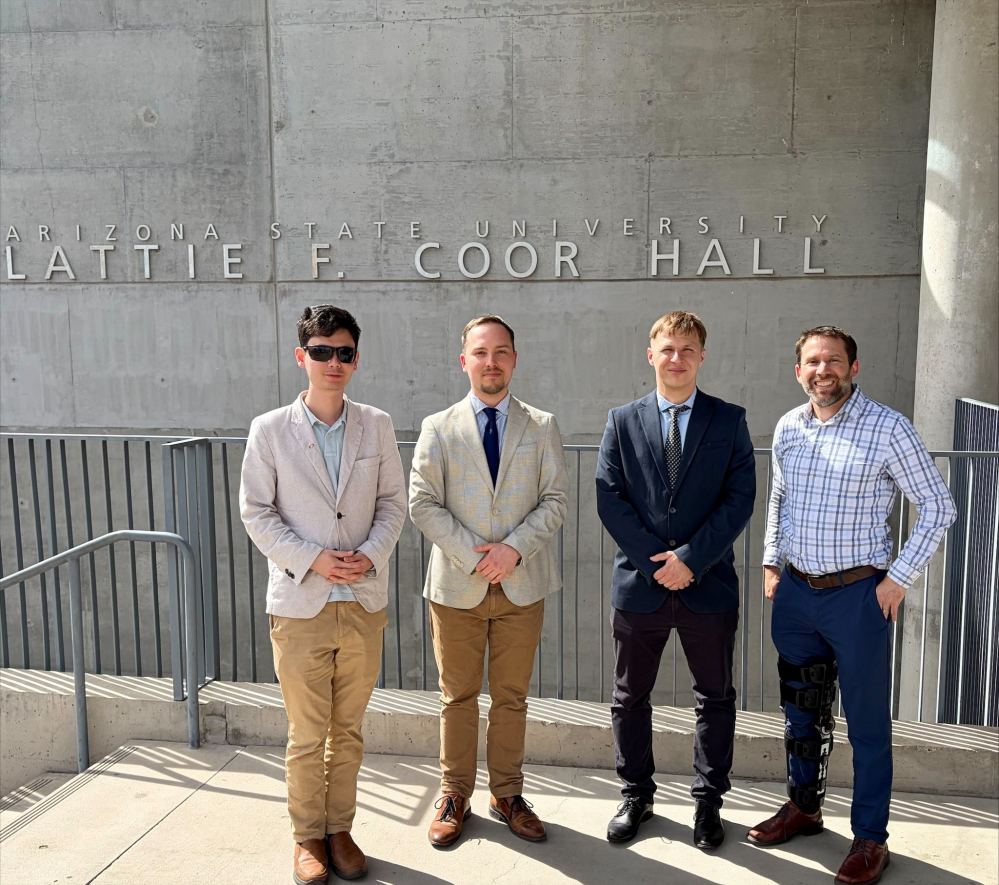


During our visit, we had the opportunity to present the professional and research activities of the Learning Research Institute to the university’s history faculty members. The university and its departmental work were introduced to us by Prof. Christopher Jones, Dr. Ashley Odebiyi, and Dr. Jian Gao. Prof. Christopher Jones’s research is situated in the field of economic history, with a particular focus on the historical relationship between energy use and economic growth. Dr. Ashley Odebiyi examines the social and gender history of 15th-century Rome, while Dr. Jian Gao’s research focuses on Chinese migration to the United States in the first half of the 20th century.
At the university, students pursue their historical studies within the Faculty of History, Philosophy, and Religious Studies, where they can explore a wide range of related disciplines, including Asian studies, history, Hebrew studies, philosophy, religious studies, as well as courses related to the Second World War. It was notable that, in contrast to the examination systems commonly used in Hungarian higher education, students typically complete courses through various written assignments and project-based work. Another noteworthy observation was the absence of unified institutional guidelines—either at the departmental or instructor level—regarding students’ use of artificial intelligence.
GCUAs part of our professional visit, we also toured the Grand Canyon University (GCU), a Christian university in Arizona founded in 1949, which is one of the state’s significant faith-based higher education institutions. Established by the Baptist movement, the university currently enrolls more than 100,000 students, many of whom pursue their degrees online from various parts of the world.
The institution offers a highly diverse range of programs, organized into nine colleges, covering fields from natural sciences and engineering to humanities and social sciences, as well as health sciences and theology. Its teacher education portfolio includes both undergraduate and graduate programs in humanities and technical fields alike.
Given the state-by-state and institution-type variability of the U.S. education system, it is difficult to make general statements; however, in most public schools, teachers are typically qualified with a single subject specialization along with a corresponding teaching license. Requirements may differ in private institutions.
A distinctive feature of GCU is that not only its institutional identity but also its educational philosophy and daily practices reflect Christian values. According to faculty members, course syllabi are intentionally supplemented with Christian content. For example, political communication courses incorporate Christian perspectives. Many instructors begin classes with a prayer or a selected biblical passage, and the university week starts with a Monday worship service held in the sports arena.
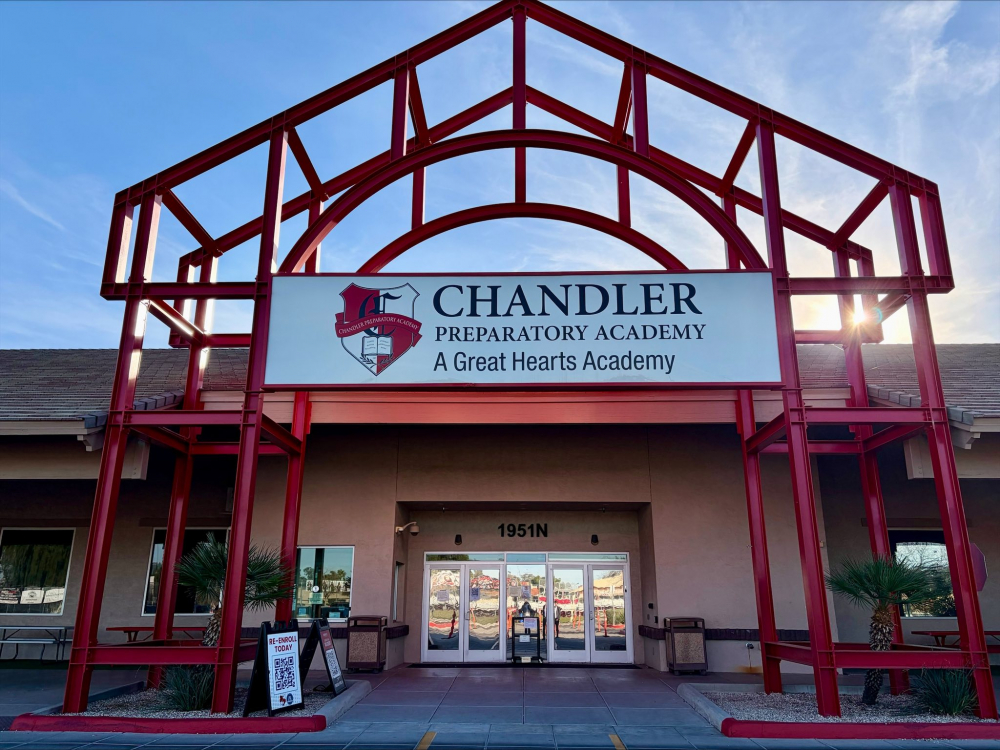
Great Hearts Chandler
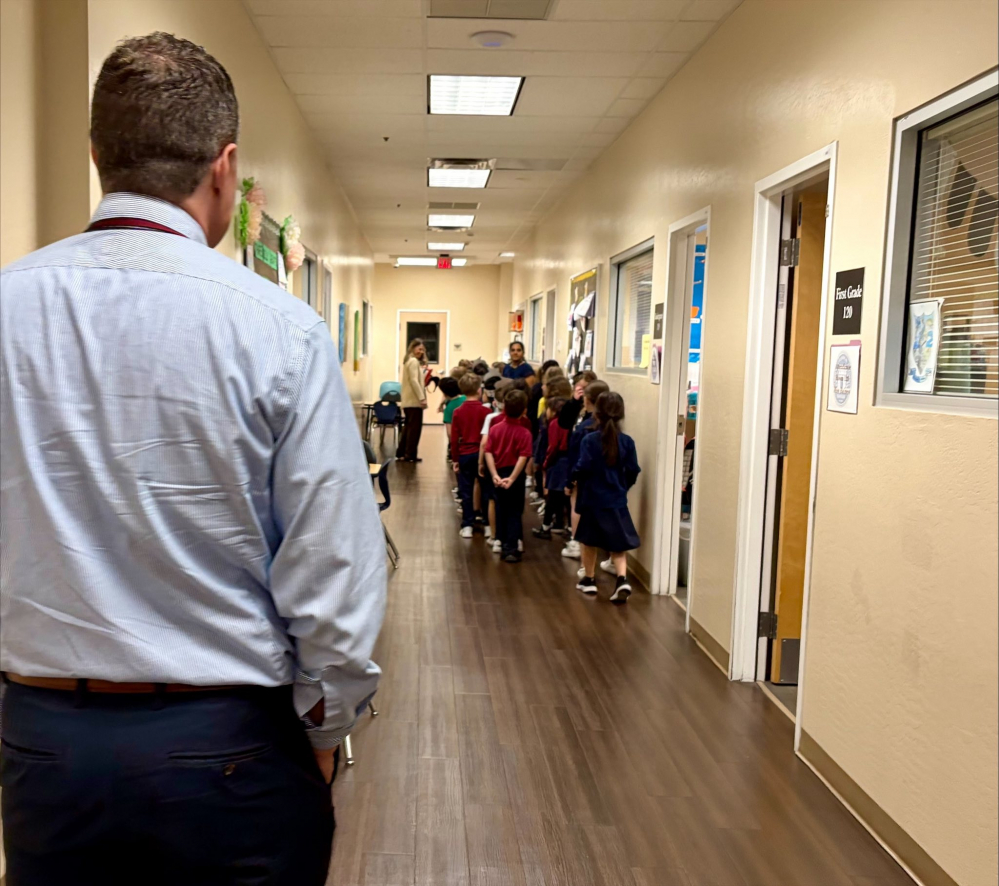
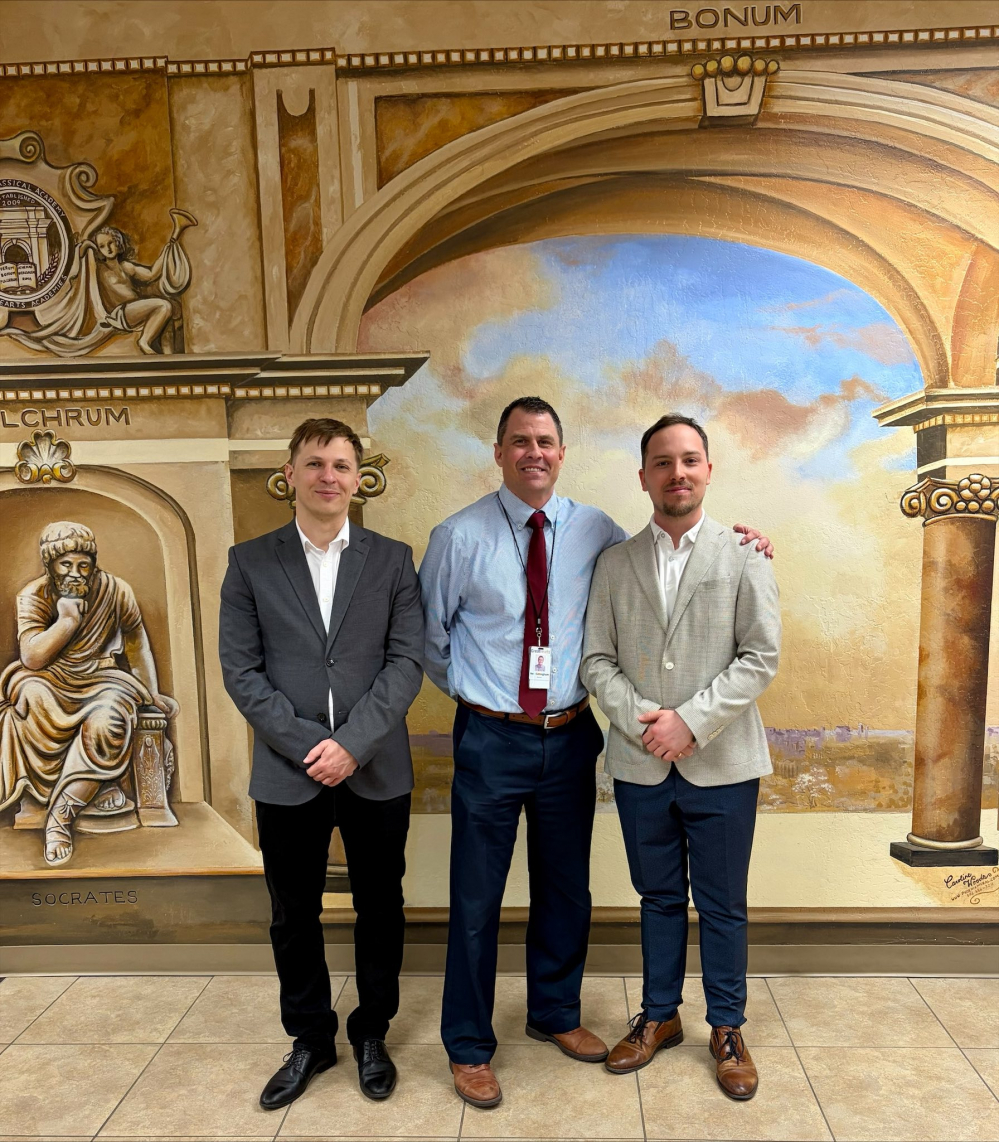
During the study trip, we participated in guided classroom observations at two institutions built on the principles of classical education.
Great Hearts Academies is a charter school network operating in three U.S. states: Arizona, Texas, and Louisiana. It is important to note that a public charter school is a publicly funded institution that receives funding directly from the state rather than through a school district. Compared to traditional public schools, these institutions enjoy greater autonomy in shaping their curricula, pedagogical approaches, schedules, and institutional ethos. However, this increased autonomy is accompanied by greater accountability: schools demonstrating persistently poor performance may be more easily closed.
Charter schools also have greater flexibility in hiring teachers, including the possibility of employing educators without full teaching certification, and employment termination processes are generally less rigid. Their compensation systems are likewise more flexible, as they are not bound by union salary scales; institutions can independently determine salaries, raises, and bonuses. Although they receive the same level of public funding based on student enrollment, they have greater freedom in allocating these resources, as well as any private donations.
1. Theoretical Foundations
The educational philosophy of Great Hearts aims to “cultivate the minds and hearts of students in the pursuit of truth, goodness, and beauty.” Its pedagogical approach centers on the transmission of classical Greco-Roman-Christian culture, organized around nine core virtues: citizenship, courage, friendship, honesty, humility, integrity, perseverance, responsibility, and wisdom.
These virtues are cultivated holistically through both cognitive and emotional dimensions of classical liberal education, emphasizing deep reading, reflective thinking, and exemplary conduct. The schools strongly uphold high academic standards: students are required to study Latin, and in addition to modern foreign languages, they may also choose to learn Greek.
The network organizes summer academies for teachers, aiming not only to develop pedagogical methods but also to strengthen a professional ethos inspired by Socratic ideals—intelligence, charisma, a sense of humor, integrity, and exemplary conduct.
2. Curriculum and Practice
Students in the Archway elementary program (grades 1–5) study nine subjects throughout all five years, including English language and literature, history and geography, Singapore-style mathematics, natural sciences, foreign languages (Latin and modern languages), fine arts (music theory, performing arts, crafts), and athletics (physical education).
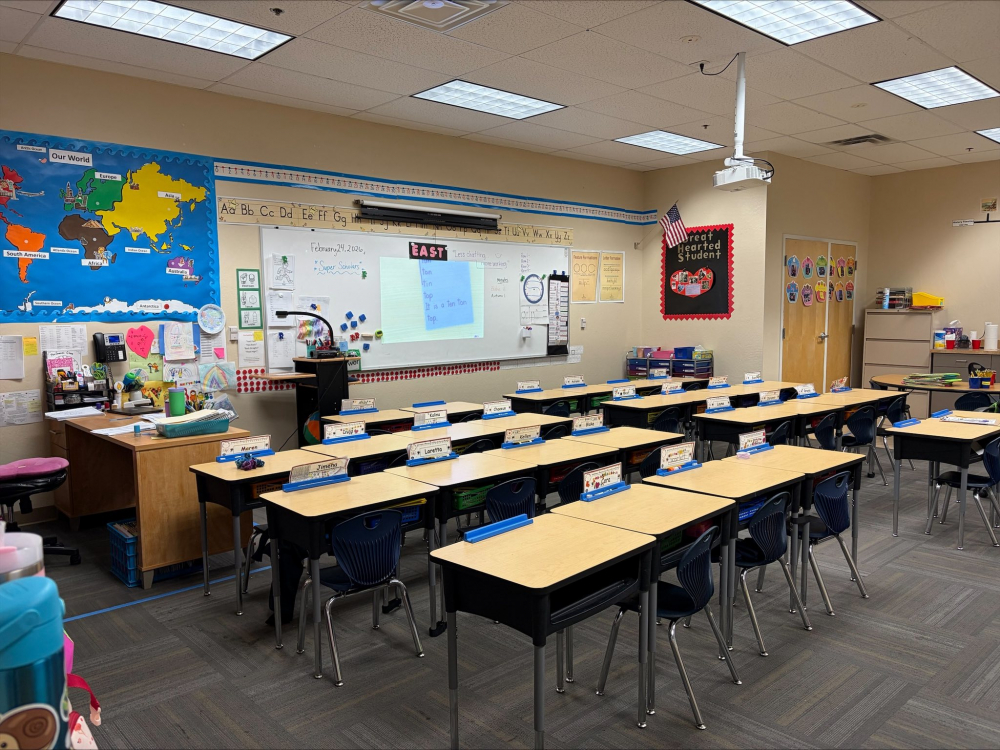
At the Chandler campus, classes typically consist of around 30 students, taught by two teachers in each lesson. These educators work not in a hierarchical teacher–assistant structure, but as equal colleagues, often pairing a novice teacher with a more experienced one.
At the Preparatory School level, the first three years (grades 6–8) form a unified stage, followed by four additional grades (9–12). The seven-grade Prep School follows a consistent curricular logic. One of its most distinctive features is the integration of English language, literature, and history into a single subject known as Humane Letters. The curriculum is thematically aligned across these domains, covering the same historical periods and topics (e.g., American traditions, modern Europe, and the classical world of Greece and Rome).
The classical Seven Liberal Arts (Septem Artes Liberales) serve as an important organizing principle of the curriculum. This includes courses such as “logic and coding,” which connects classical logical thinking with digital programming languages. Grammar, rhetoric, arithmetic, and music also play a central role.
Mathematics instruction is based on the Singapore model, emphasizing depth over breadth and applying the concrete–pictorial–abstract (CPA) learning progression.
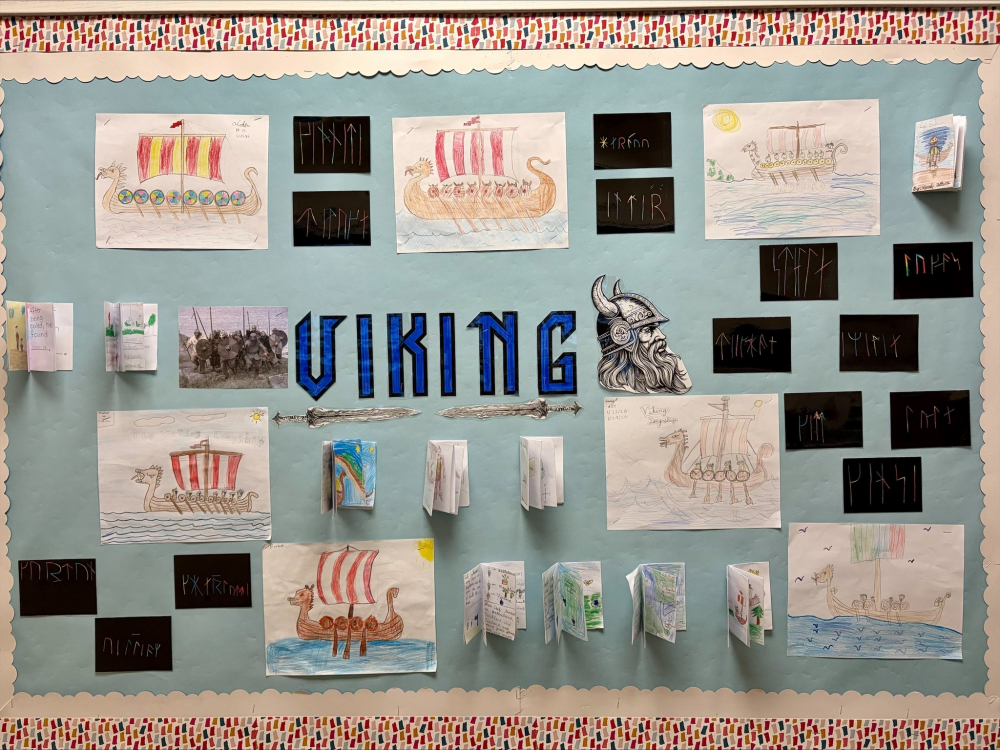
Upon entering the school, one is immediately struck by the abundance of student-created works: posters, sculptures, paintings, dioramas, and other classroom products decorate the spaces. The atmosphere is less reminiscent of an elite private school and more akin to a European alternative school. At the same time, students walk in pairs and wear uniforms—though these consist simply of trousers or skirts paired with student-designed T-shirts.
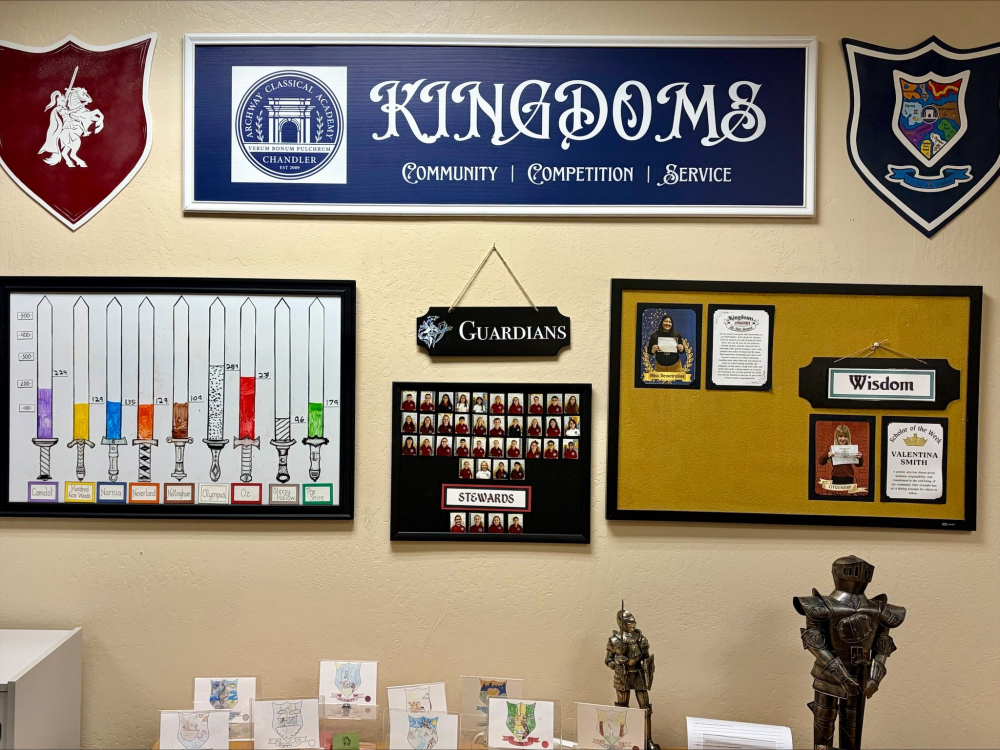
These T-shirts symbolize belonging to smaller school communities: “Kingdoms” in elementary school and “Houses” in secondary school. These communities not only foster team spirit but also engage in joint projects and compete based on the accumulation of virtuous actions.
3. Great Books
Reading lists form an essential component of the curriculum. Schools within the network select required readings from a shared collection, which includes key historical documents such as the Declaration of Independence, Lincoln’s Gettysburg Address, and speeches by Martin Luther King Jr.
In grade 9, students encounter modern American literature, including works such as Othello, The Great Gatsby, and Of Mice and Men. In grade 10, readings may include Pride and Prejudice, Crime and Punishment, and Frankenstein. In grade 11, students study classical ancient works such as the Iliad, the Odyssey, Antigone, The History of the Peloponnesian War, Aristotle’s Poetics, selections from Plutarch’s Parallel Lives, and Cicero’s On Duties. In the final year, readings include The Divine Comedy, Machiavelli’s The Prince, Paradise Lost, and philosophical works by Thomas Aquinas and Augustine.
National Symposium, Phoenix, Tempe
The 2026 National Symposium for Classical Education was a three-day international conference held between February 25–27, 2026, in Phoenix, Arizona. The event is organized annually by the Great Hearts Institute and serves as one of the most significant gatherings dedicated to classical education in the United States. Educators, researchers, school founders, and policymakers come together to rethink the role of classical learning in contemporary education.
The 2026 symposium was given special context by the 250th anniversary of the United States Declaration of Independence. Its central theme—“Classical Education and the American Experiment: the Declaration of Independence at 250”—explored how classical learning, spanning natural sciences, mathematics, arts, history, philosophy, and literature, contributes to shaping republican thought and fostering responsible citizenship in the United States. The program combined theoretical and practical elements through plenary lectures, workshops, and seminars that linked pedagogical practice with political and philosophical traditions.
Keynote speakers included prominent figures in classical education and American public life, such as Doug Lemov, Chris Perrin, and Jeffrey Rosen. Their presentations ranged from pedagogical methodology to the cultural significance of classical education and constitutional thought, making the symposium a truly interdisciplinary forum for discussing the present and future of classical education.
The Science of Reading
Over the three days, the conference offered a wide range of high-quality lectures, panel discussions, and workshops. Given that the protection of classical literature and reading culture is a central element of our institute’s mission, it was particularly important for us to understand how these are preserved in the United States.
Doug Lemov’s lecture, titled The Science of Reading (Books), presented seven key arguments explaining why (aloud) reading remains essential for students in the 21st century.
He began by highlighting the impact of reading fluency on comprehension, citing a 2017 Italian study demonstrating that students’ reading fluency predicts academic performance across all “reading-centered” subjects. The study also showed that reading speed is a significant factor in forecasting grades, and that the relationship between fluency and academic achievement remains consistent across grade levels—reinforcing the importance of reading even in upper grades.
As a second key point, Lemov emphasized knowledge, arguing that, beyond skills, it is students’ background knowledge that enables true comprehension. He added that vocabulary is essential in this regard, as it represents one of the most important forms of background knowledge—since one cannot conceptualize something without having the words to describe it.
As a fourth argument, he pointed to the strong causal relationship between vocabulary and reading comprehension. To support this, he cited Isabelle Beck’s Bringing Words to Life:
“People with richer vocabularies not only know more words, but they also know more about the words they know. The depth of word knowledge correlates almost as strongly with reading as the breadth of vocabulary.”
Lemov also addressed the impact of writing on reading. He described writing as a slow, durable, and demanding process, emphasizing that genuine learning occurs when we think intensively about something. Writing allows students to revisit and refine their thoughts, thereby improving their thinking.
He identified three main types of writing that support reading development: Summative writing, which involves formulating and supporting a fully developed argument or opinion; Formative writing, defined as brief reflections written during reading to capture what the student thinks or what the author may have intended; Developmental writing, such as describing a painting or artwork, which helps students move beyond rigid sentence structures and gain mastery over complex syntax.
Finally, Lemov stressed that the book remains the optimal reading format for students, and that close reading should be the primary goal of reading instruction.