




Learning from Asia in Education
Learning from Asia (LfA) in Education is an initiative led by our institute to develop a framework for exploring how European and Western educationalists, particularly in Hungary, can benefit from the experiences, knowledge, and reforms of Asian education systems.
Asian education systems, through recent reforms, have generated valuable insights that can enhance the understanding and capacity of European and Hungarian education to address 21st-century challenges. The initiative emphasizes collaboration and reflection, incorporating feedback from partners while the Hungarian LfA team assumes full responsibility for its content.
A key highlight of our project was the “Learning from Asia in Education” conference, organized by our institute. Guided by the “Issues Paper,” the event brought together ten invited speakers from Asia and Europe for plenary sessions and panel discussions, alongside presentations by Asian PhD students in Hungary, who shared their research through a “Learning from Asia” perspective. The conference fostered collaboration and the exchange of ideas, bridging Asian and European educational practices.
Conservatice Case in Education
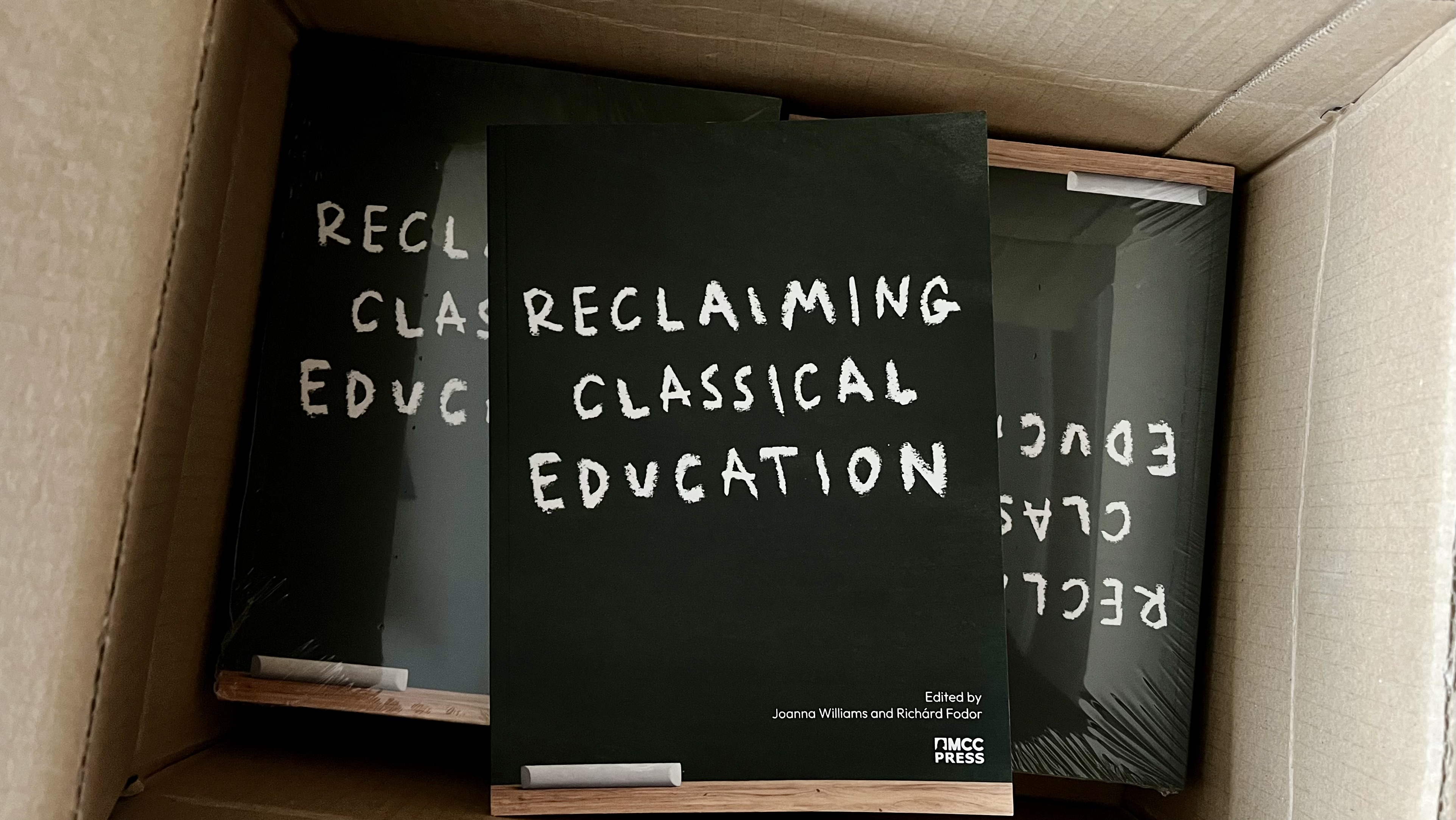
The Conservative Approach to Education is an international research and networking project aimed at developing a holistic conservative educational narrative. Conceived in 2023, the project seeks to offer a credible alternative to the prevailing liberal narratives in education. To build this alternative, we have formed a unique network of European and American educational partners dedicated to re-thinking and reshaping conventional approaches to education.
A core component of the project is research, centered on an international comparative study of history and citizenship education. Through this study, we aim to identify and analyze key trends in history and civic education across European and Atlantic contexts.
A Compass for History Teaching and Historical Thinking
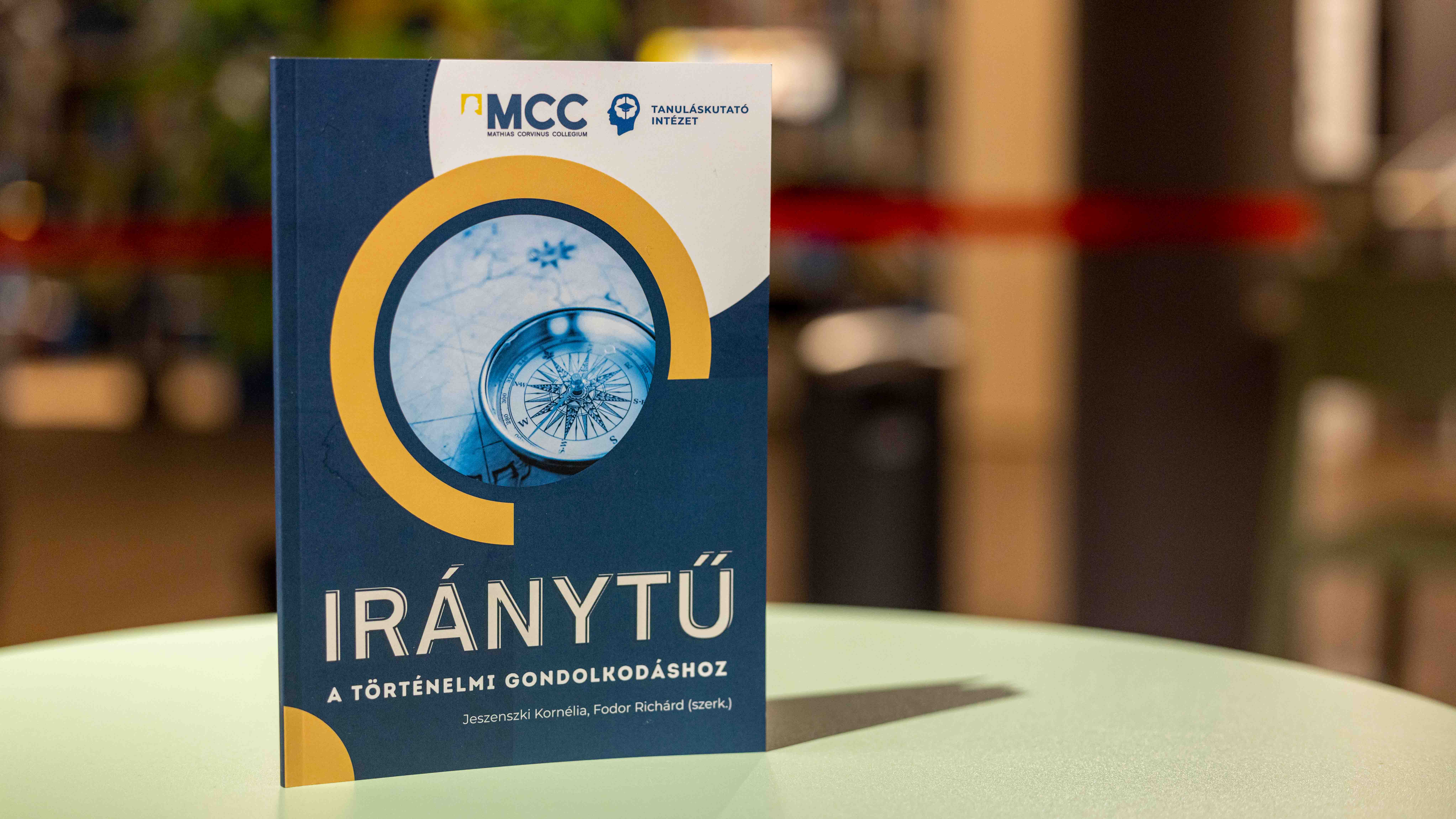
The Learning Research Institute’s history education project follows classical–conservative pedagogical values and emphasizes the importance of a disciplinary, subject-based approach. Our goal is to support teachers with research-based, high-quality teaching materials and methodological models that develop historical thinking and historical consciousness—helping students understand and analyze the complex relationship between the past and history.
Since 2023, our research team has conducted curriculum analyses and empirical studies, followed in 2024 by a large-scale data collection involving 1,300 Hungarian secondary school students. In 2025, we produced teaching materials and teacher guides designed to foster historical thinking. Our work focuses on source-based inquiry, the ability to adopt historical perspectives, and the interpretation of historical narratives.
As part of the project, we also run an international Turkish–Hungarian student twinning programme involving prominent university and school partners. The programme aims to strengthen students’ cultural understanding, deepen their knowledge of shared and intertwined histories, and develop collaborative academic skills through international cooperation and engagement with diverse historical experiences.