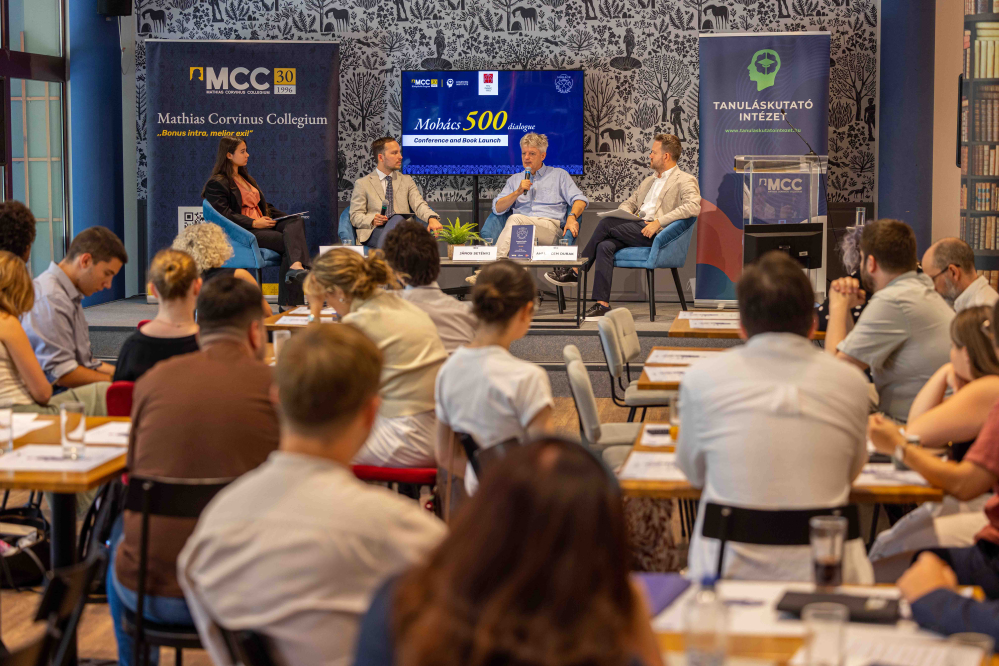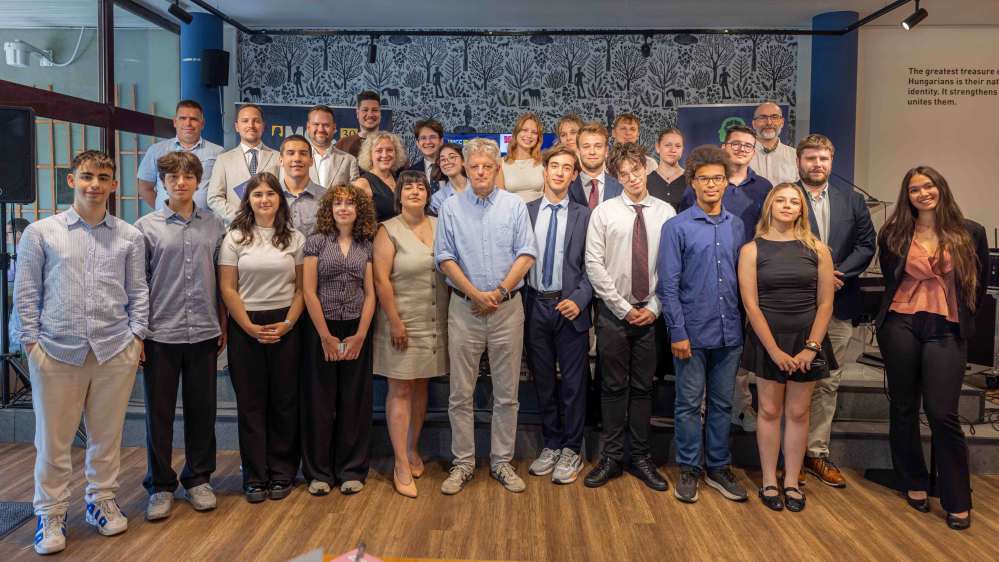
What did early modern spies use lemon juice for? How is the Battle of Mohács represented in the modern Hungarian rock opera Stephen, the King (István, a király )? What role can school history education play in international cooperation? These questions were among those discussed at the closing conference and book launch of the Mohács 500 Dialogue project, held on 30 July in Budapest. The project was implemented through cooperation between MCC Learning Institute, MCC High School Programme and TEV İnanç Türkeş Özel Lisesi.
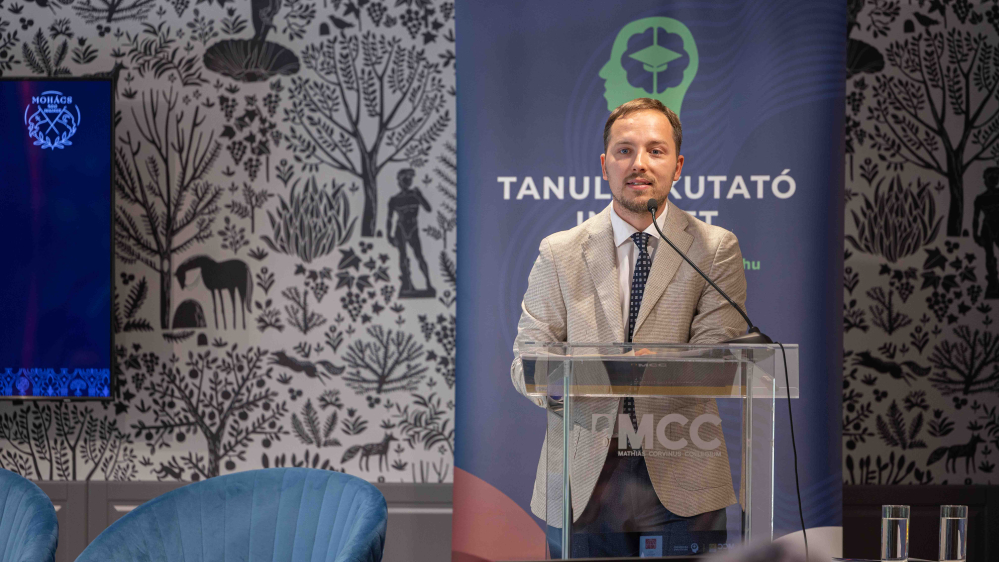
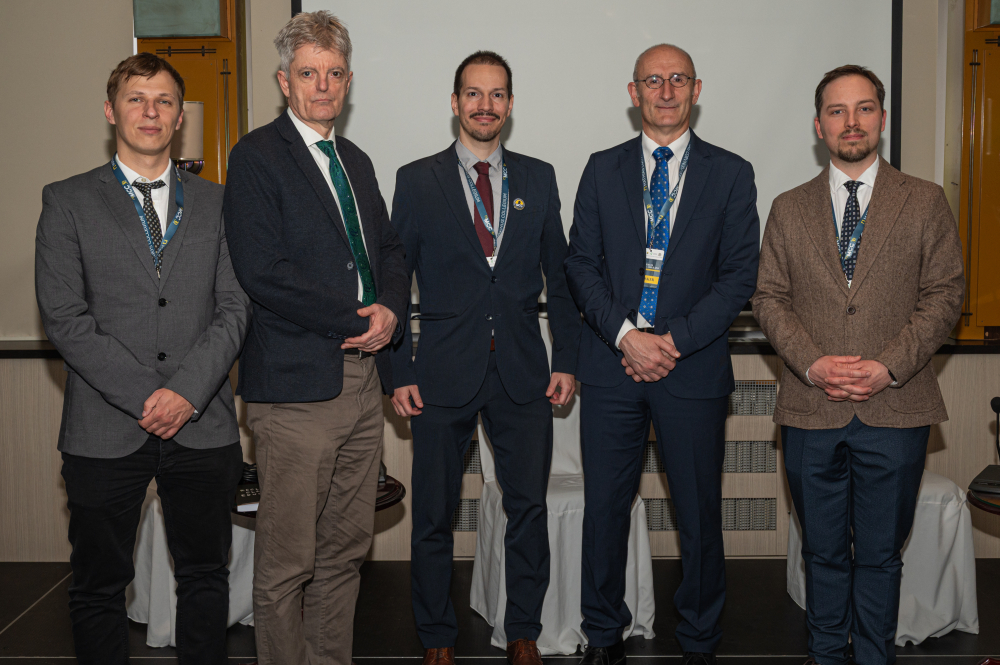
The event was opened by Dr Milán Constantinovits, Director of Professional and Educational Affairs at MCC; Ahmet Cem Durak, educator at TEV İnanç and the Turkish coordinator of the project; and Dr János Setényi, Director of the MCC Learning Institute.
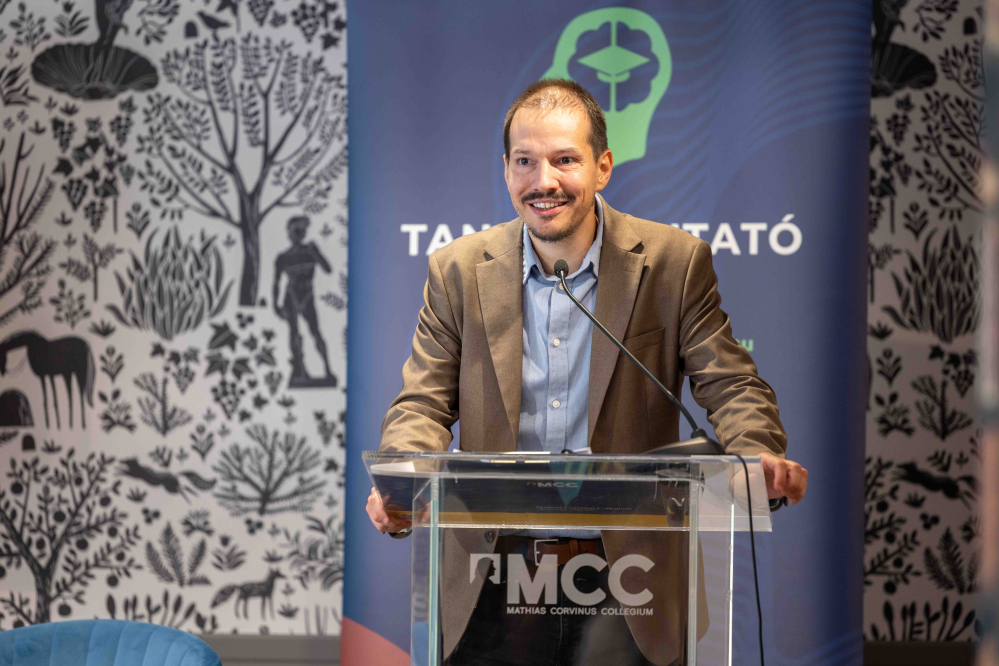
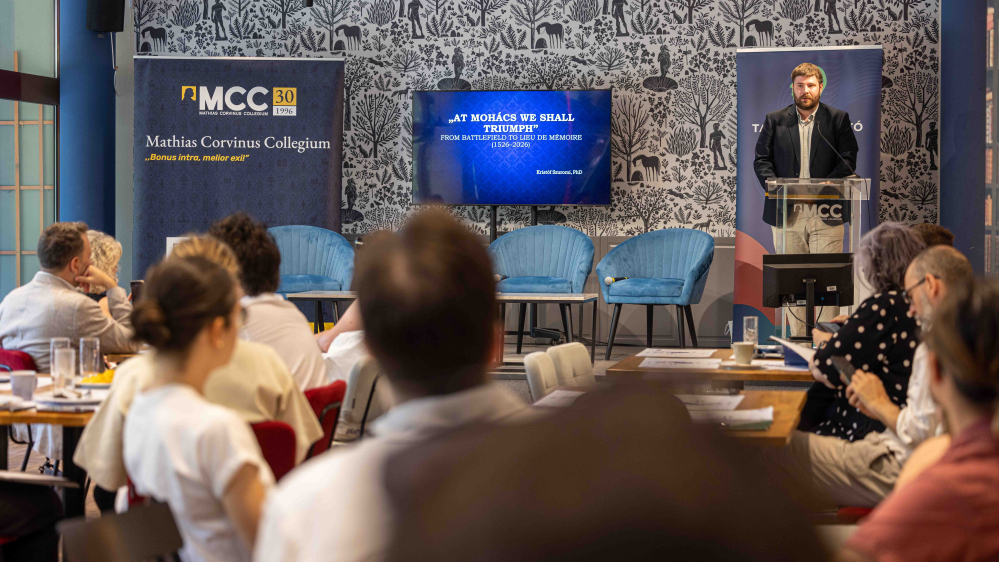
Following the opening remarks, Dr Kristóf Szuromi, Senior Professor at the Institute of History of Pázmány Péter Catholic University, delivered a keynote lecture analysing the Battle of Mohács as a lieu de mémoire. He explained how Mohács became far more than a historical battle in Hungarian cultural memory, evolving into a national symbol. Although the anti-Ottoman reconquest wars of the late seventeenth century appeared for a time to have brought closure to the trauma, nineteenth-century national thought reinterpreted Mohács as a symbol of the loss of independence and former greatness. The suppression of the 1848–49 Hungarian War of Independence, the World Wars, the Treaty of Trianon and the 1956 Revolution were subsequently connected to 1526 as the perceived beginning of a long series of national tragedies. Mohács thus became a symbolic site of mourning and historical loss in Hungarian cultural memory.
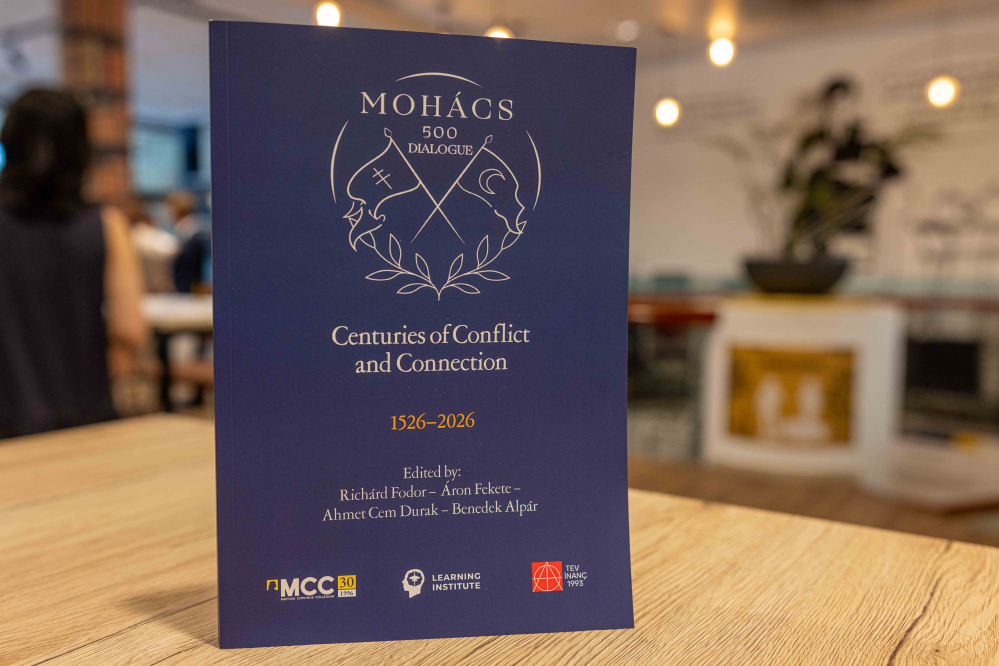
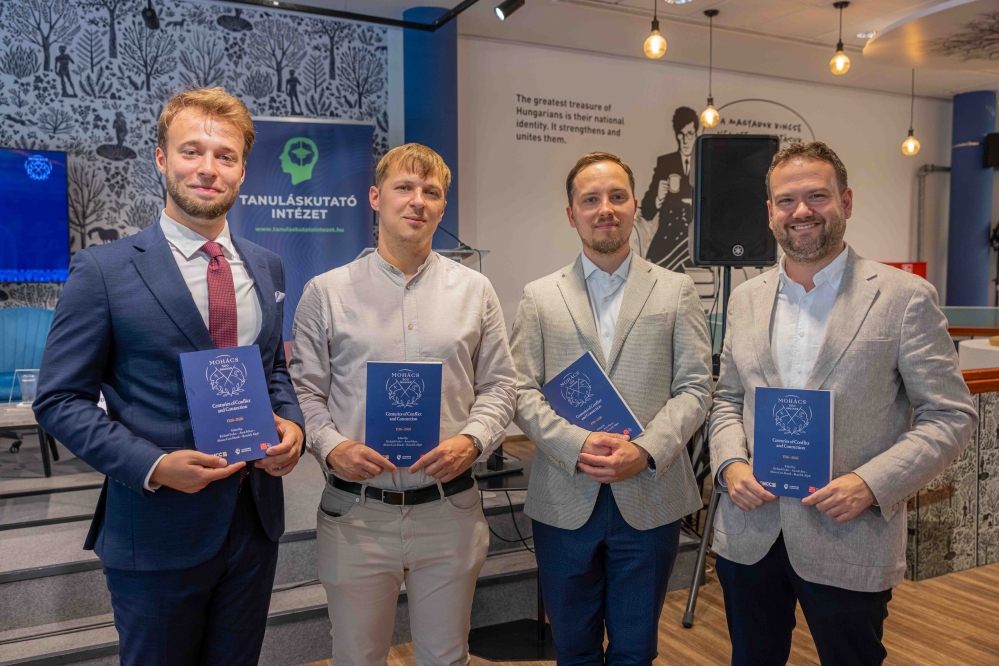
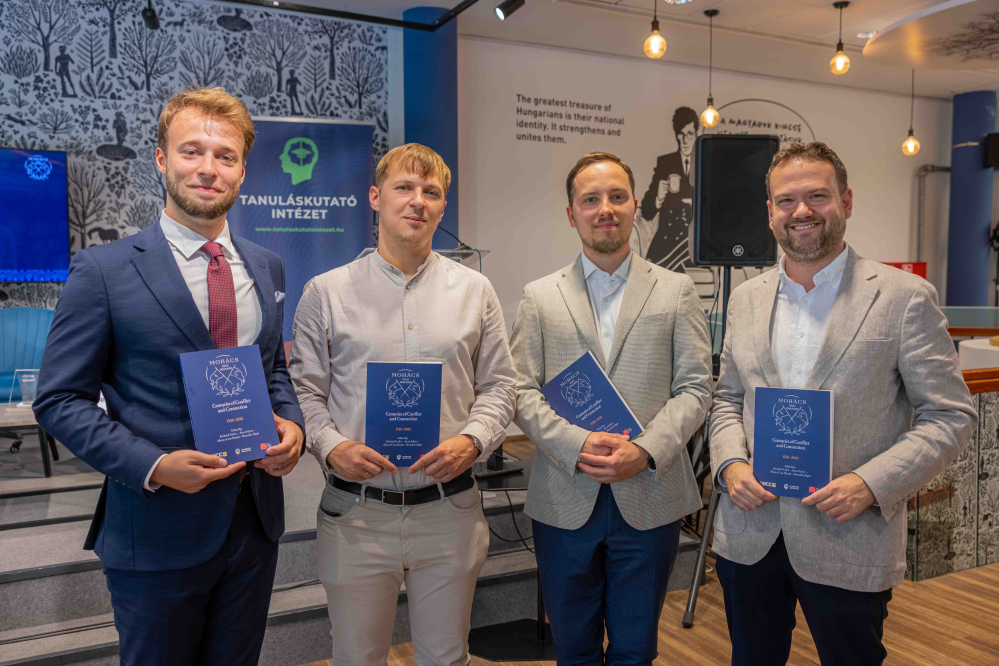
Dr Richárd Fodor, Head of Research at MCC Learning Institute and the academic leader of the project, presented the English-language volume Mohács 500 Dialogue – Centuries of Conflict and Connections, which brings together the results of the international cooperation. In his speech, he congratulated the participating secondary-school students and thanked the teachers, historians and staff members who had contributed to the project, the volume and the organisation of the event.
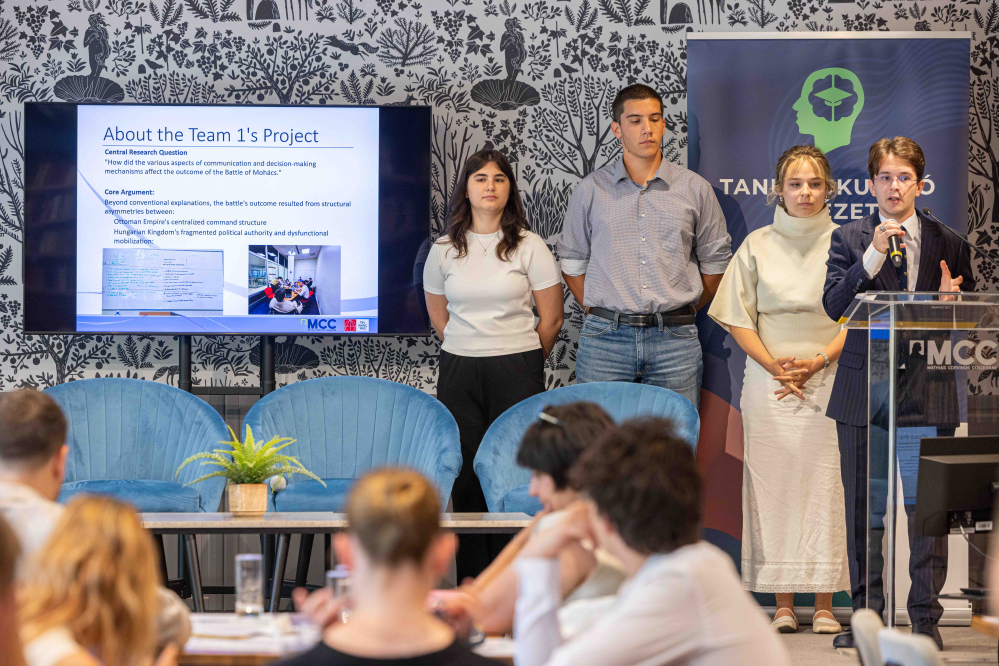
The volume is the outcome of a twelve-month Hungarian–Turkish collaboration. During the student project, four cross-national teams of altogether 16 secondary-school students worked together with the support of teachers, mentors, historians and history-education experts. The aim was not to construct a single shared historical narrative, but to create a professional dialogue in which participants could compare their sources, questions and different historical perspectives.
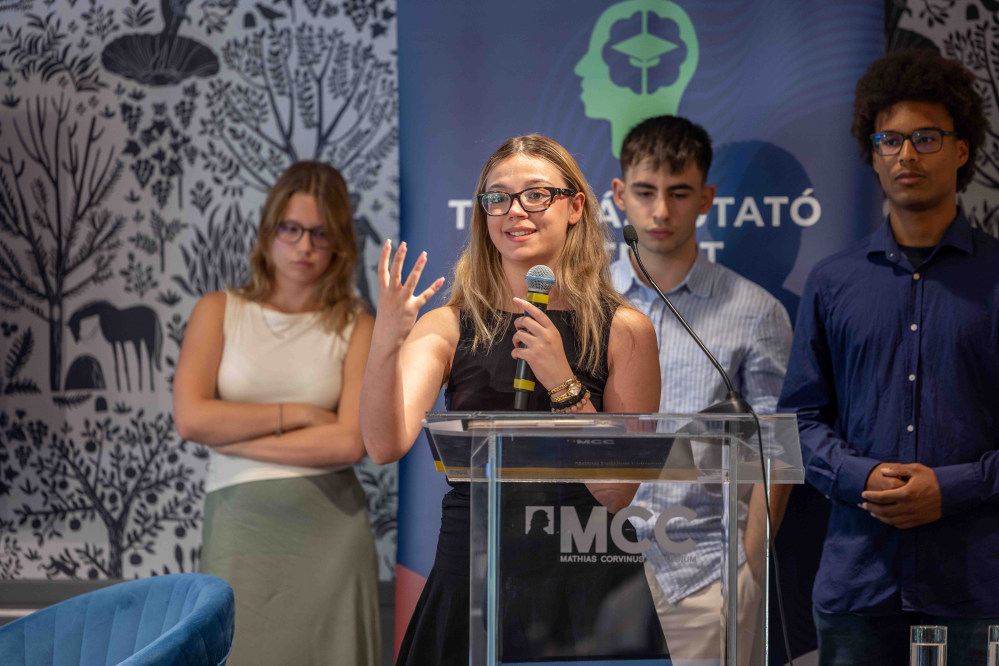
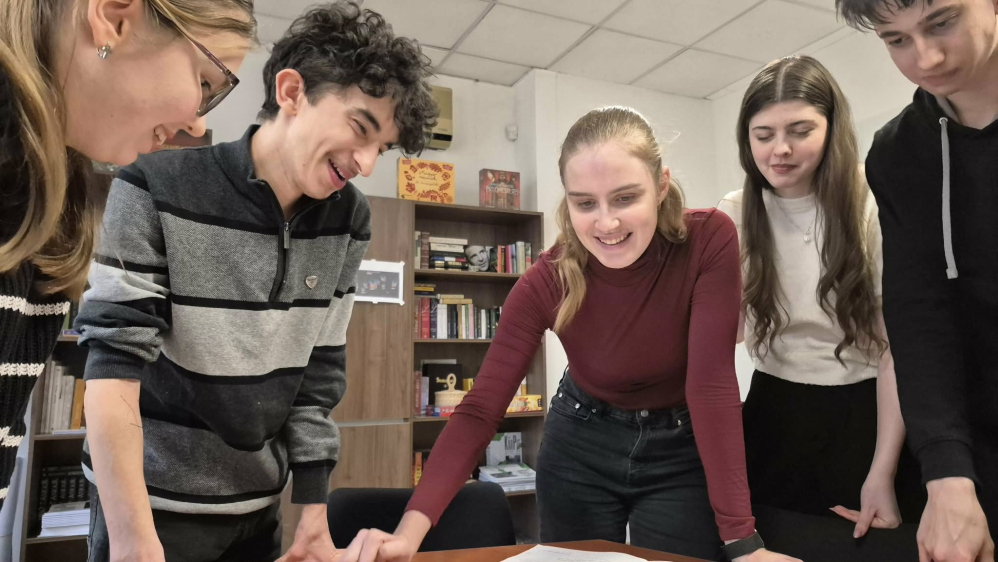
In the central part of the conference, the four Hungarian–Turkish student teams presented the results of their research, also in English. Their presentations addressed communication and military command at the Battle of Mohács; diplomatic and intelligence networks connected with the Second Siege of Vienna in 1683; early Turkic–Hungarian cultural relations; and the history of Hungarian political emigration in the Ottoman Empire after 1849. The presentations demonstrated that a shared past can be understood not only as a history of wars and conflicts, but also as a history of cultural exchange, personal encounters, diplomatic relations and competing memories.
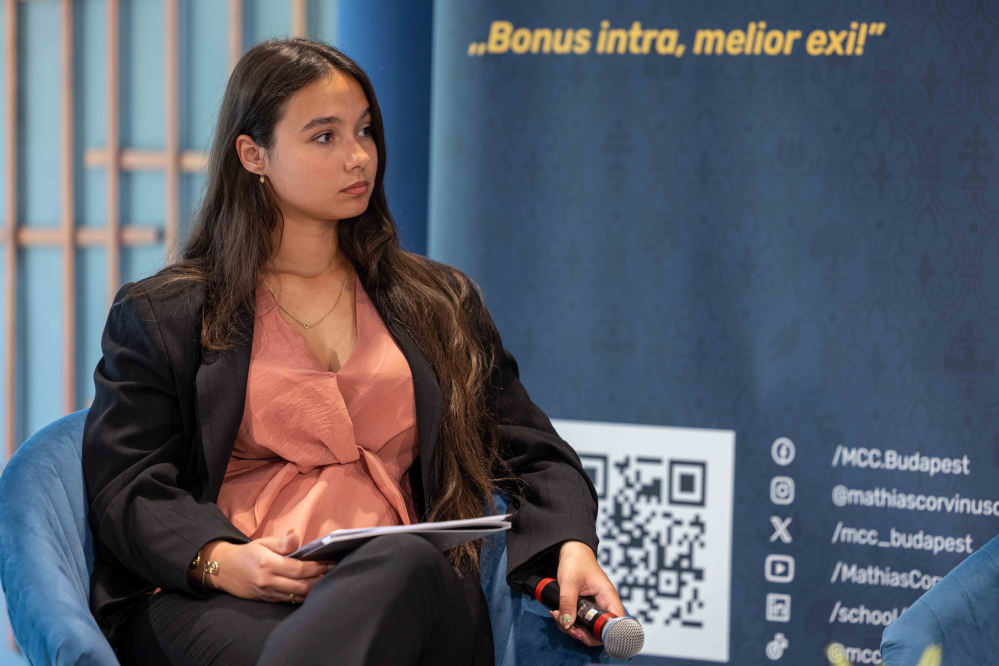
The programme concluded with a panel discussion moderated by Lili Gerda Hegyi, a student at the MCC Media School. The panellists were Dr Richárd Fodor, Dr János Setényi and Ahmet Cem Durak. The discussion recalled how the initial idea for the project grew out of an international comparative study and an MCC student trip to Türkiye in 2024. The participants discussed international initiatives such as Franco-German, Scandinavian, Asian and Visegrad history textbook projects, their roles in processing conflicts and building regional identities, the purposes of history education, different forms of historical consciousness, and how the development of national identity can be reconciled with learning about the perspectives of other countries.
Among the project’s most important achievements, the participants highlighted genuine international dialogue, in-depth engagement with historical sources, and the opportunity for students to work with previously unknown peers and unfamiliar historical topics. According to the participants, the greatest challenges were the limited timeframe and the coordination of different schedules. Nevertheless, the volume—published in print and also available digitally on an open-access basis—provides lasting evidence that, with appropriate academic support, talented secondary-school students can conduct research at university level.
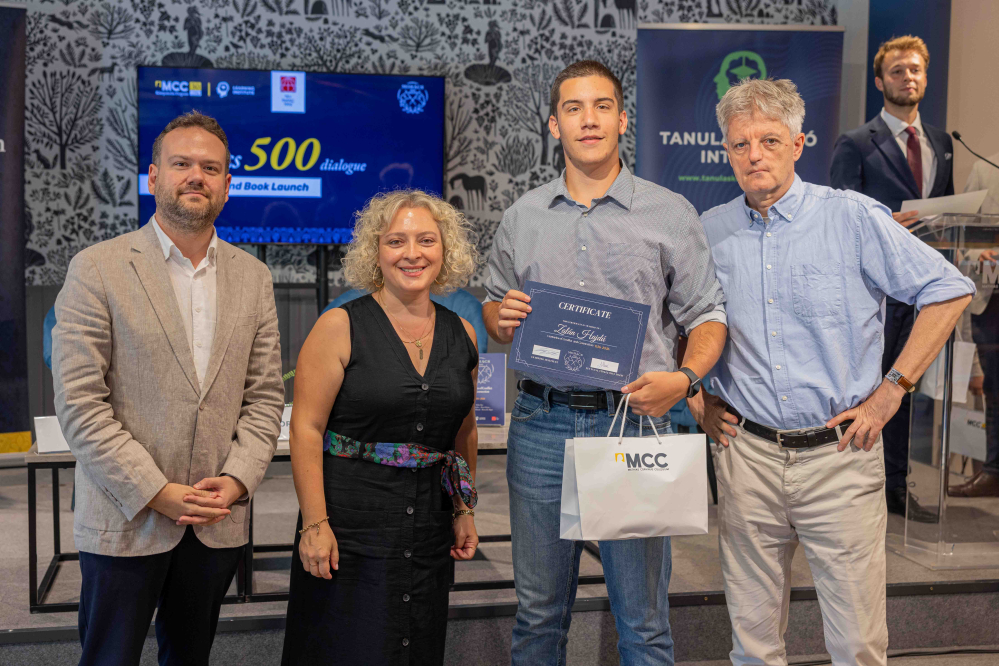
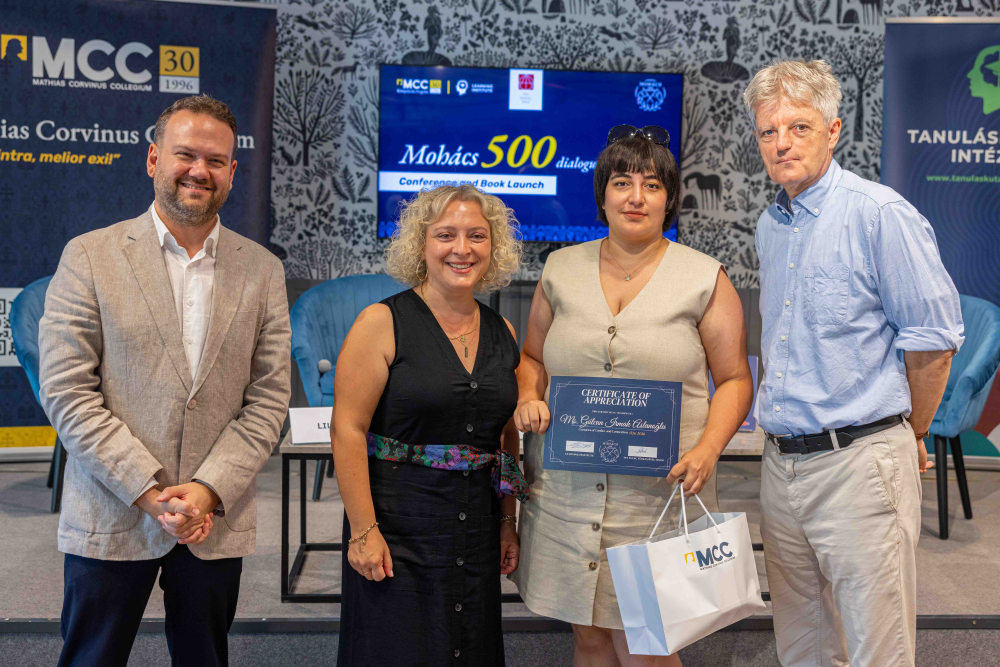
The conference continued with a certificate ceremony recognising the year-long work of the students and their mentors, each of whom received a certificate and a gift package. To conclude the event, the organisers presented a special award to junior researcher Benedek Alpár, who coordinated the implementation of the project in Hungary.
Congratulations to all the participants!