Annual Conference of the MCC Learning Research Institute’s Compass to History Education and Historical Thinking Research Group
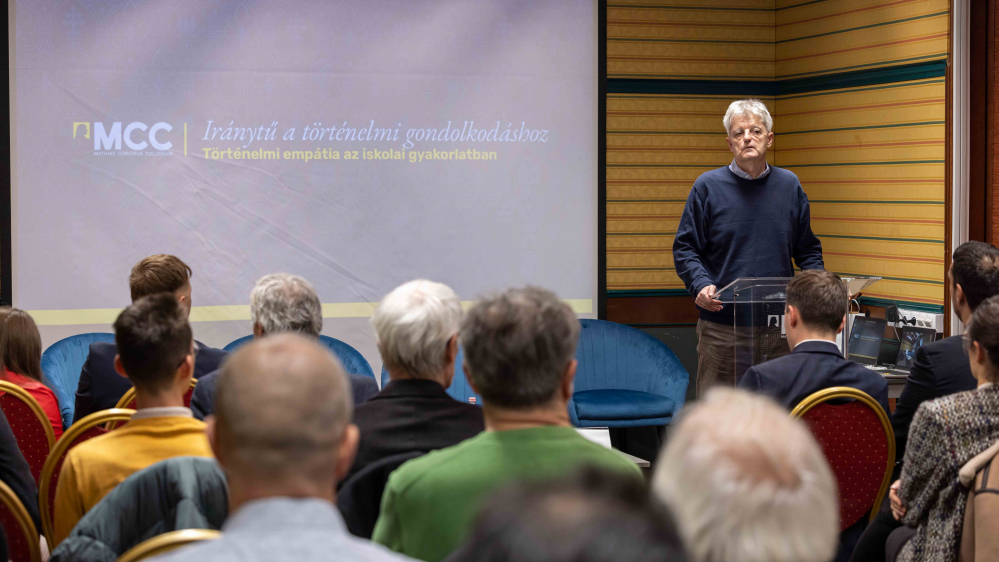
On 4 December 2025, the Compass to History Education and Historical Thinking Research Group of the Learning Research Institute at Mathias Corvinus Collegium (MCC) held its annual workshop conference. The event aimed to present the latest research findings on the development of historical thinking and historical empathy, as well as to introduce the teaching materials, task modules, and methodological innovations developed within the framework of the project.
The conference was opened by Dr János Setényi, Director of the Learning Research Institute, who emphasized the strategic importance of the research project in the context of Hungarian and international history education. He highlighted that the initiative contributes not only to advancing academic research but also to strengthening teachers’ methodological repertoires and fostering deeper historical understanding among students.
Presentation of the Project Volume
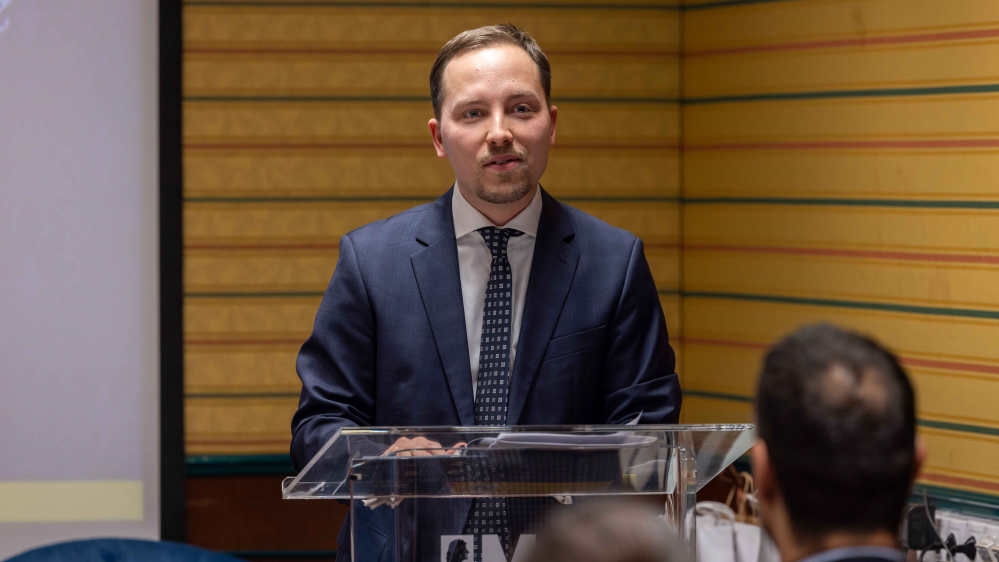
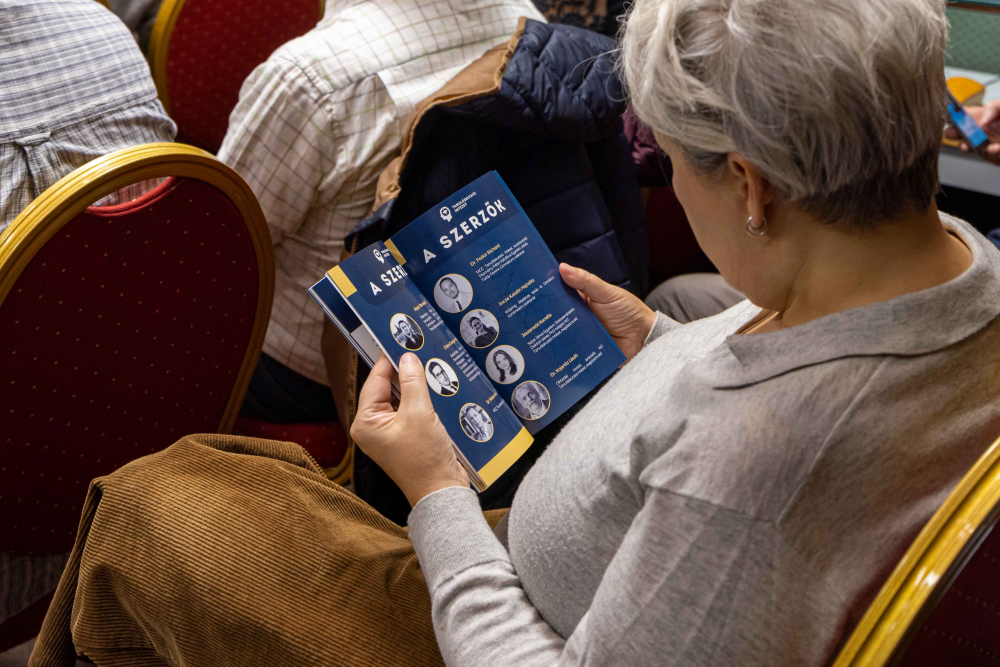
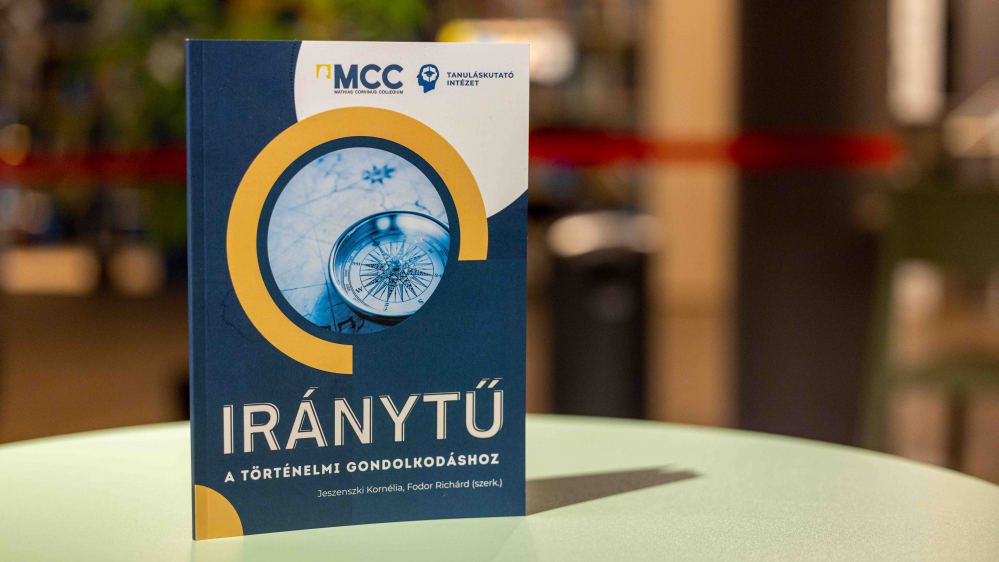
Following the opening remarks, Dr Richárd Fodor, Head of Research and Project Leader, presented the project’s comprehensive volume entitled Compass to Historical Thinking – Historical Empathy in Classroom Practice, co-edited with *Kornélia Jeszenszki. The publication synthesizes the theoretical foundations, empirical research results, and practical outcomes of the project, offering an integrated overview of the work carried out over several years.
The volume reflects the core idea of the research: historical empathy is not merely emotional identification with historical actors, but a complex cognitive process that enables students to understand how people in the past thought, felt, and made decisions within their own historical contexts—without projecting present-day values onto earlier periods.
Teachers as Developers: Practice-Oriented Innovation
A distinctive feature of the project is the active involvement of practicing history teachers as task developers. After participating in a series of preparatory workshops and professional consultations, these educators designed classroom-ready task modules specifically aimed at fostering historical empathy and perspective-taking.
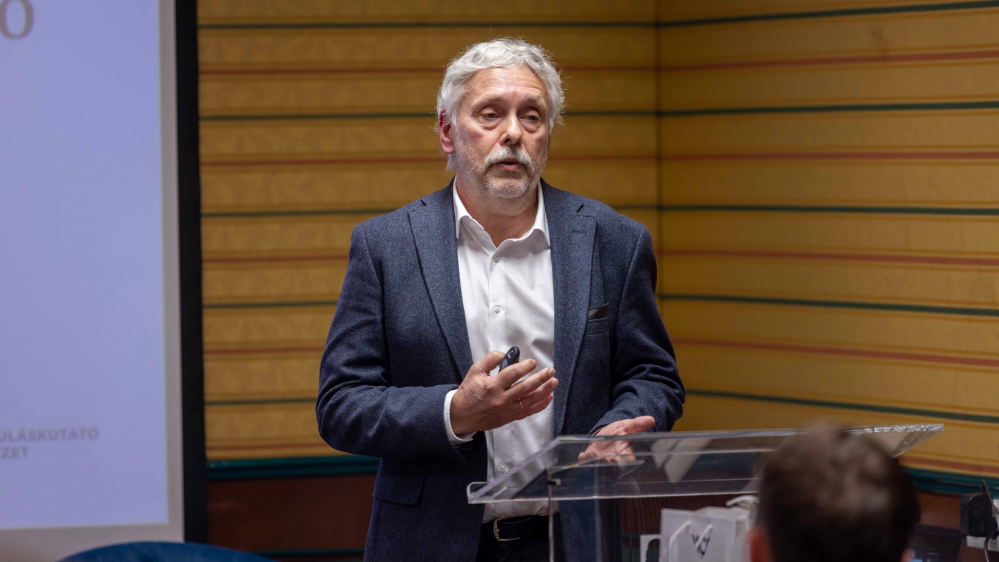
The academic programme continued with a keynote lecture by Dr László Kojanitz, who explored the conceptual background, pedagogical relevance, and research antecedents of historical empathy. His presentation highlighted the role of empathy in preventing anachronistic interpretations and supporting analytical and comparative historical thinking.
This theoretical framework was followed by presentations from the teacher-developers, who introduced the task modules created within the project:
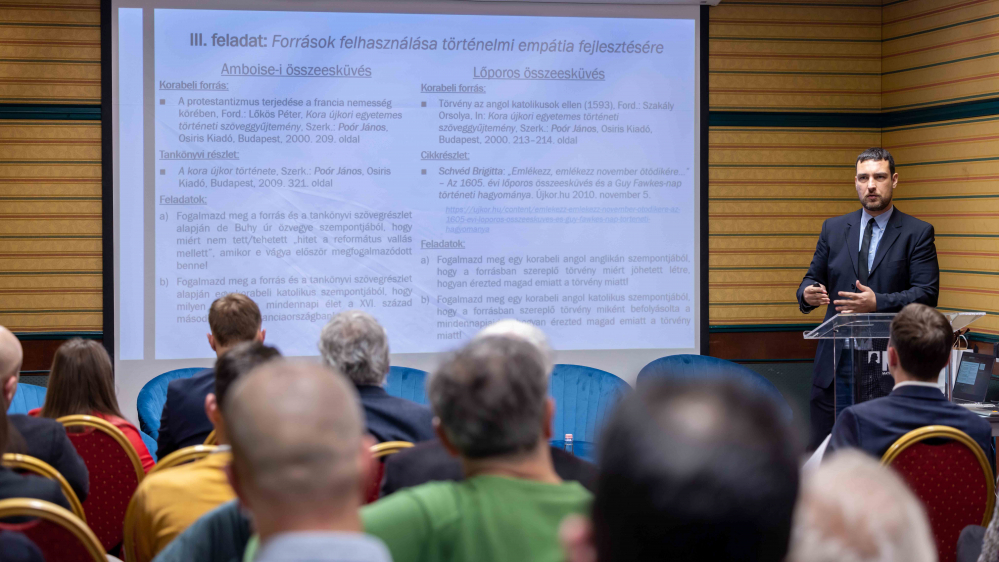
Bendegúz Szemes: Conspiracies in the Early Modern Period
Benedek Alpár: Experiencing the “Soft” Dictatorship
Katalin Hajnalka Incze: The Hottest Moments of the Cold War
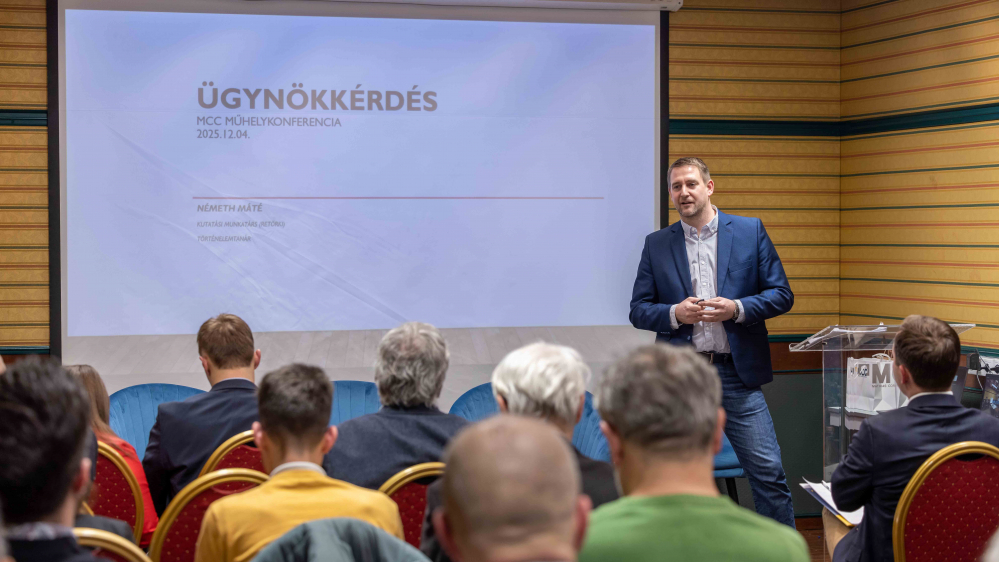
Máté Németh: The Question of Informants in the Kádár Era
Csongor Chira: Opposition Movements and Political Fragmentation in the Late 1980s
The task modules are available on the Corvin Kamra digital platform under the menu item “Perspective-Shift Project Tasks”, while the publication can be accessed online in a flipbook format.
Research Background and Methodological Contribution
Since 2023, the research group has conducted representative empirical studies on Hungarian secondary school students’ historical thinking and historical empathy. These studies examine, among other questions, how students interpret historical decision-making, how they understand historical contexts, and which instructional approaches most effectively support perspective-taking and contextual reasoning.
Building on these findings, the 2025 methodological volume offers a structured overview of the project’s theoretical framework, presents key research results and pedagogical implications, and provides practical teaching strategies, lesson plans, and step-by-step guidelines. The sample tasks and modules align with the national curriculum and can be directly integrated into classroom practice.
Roundtable Discussion and Future Directions
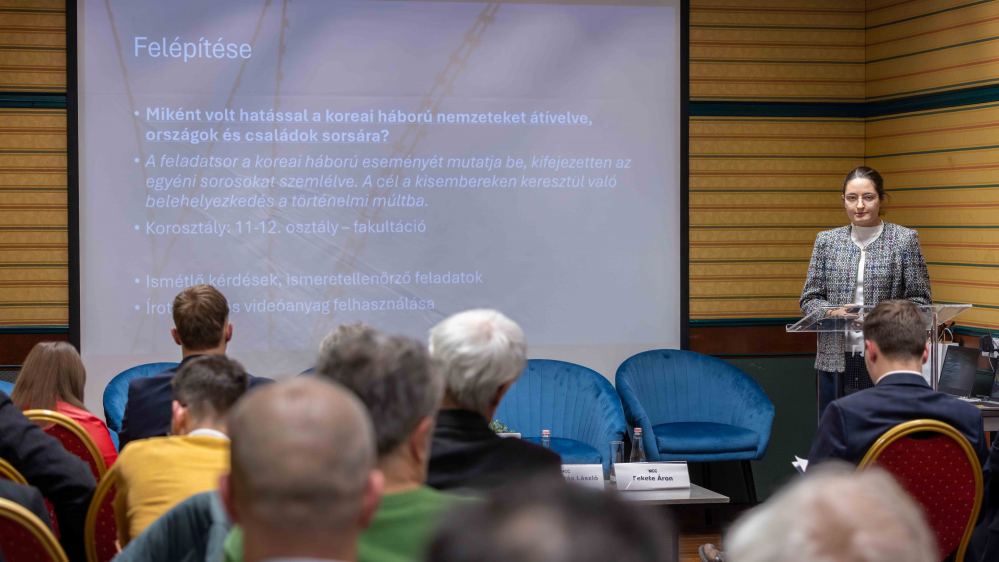
The conference concluded with a roundtable discussion moderated by Dr Áron Fekete, with participants Dr János Setényi, Dr Richárd Fodor, Dr András László Riba, and Dr László Kojanitz. The discussion focused on the classroom implementation of historical thinking and historical empathy, addressing both opportunities and challenges faced by teachers.
Participants emphasized that the continuation of the research is both important and strongly supported. The next phase of the project will focus primarily on the classroom testing, evaluation, and further development of the task modules.
The event was coordinated and hosted by Kornélia Jeszenszki, who oversaw both the conference programme and the entire research process.