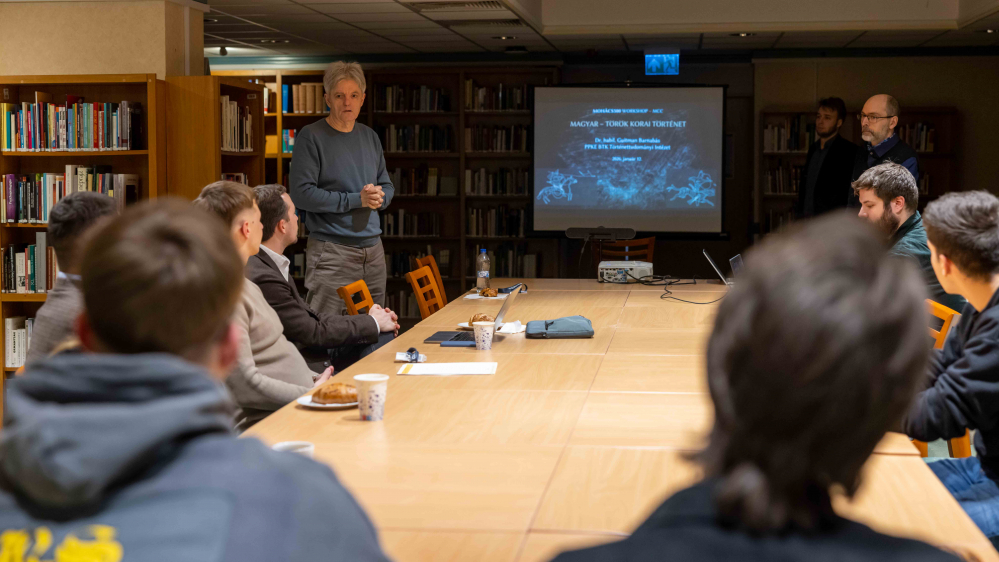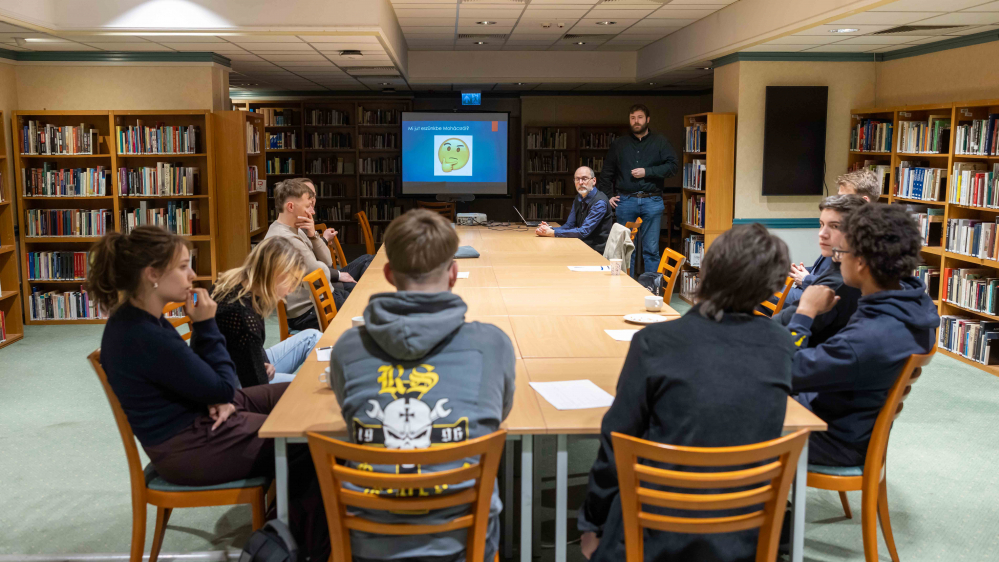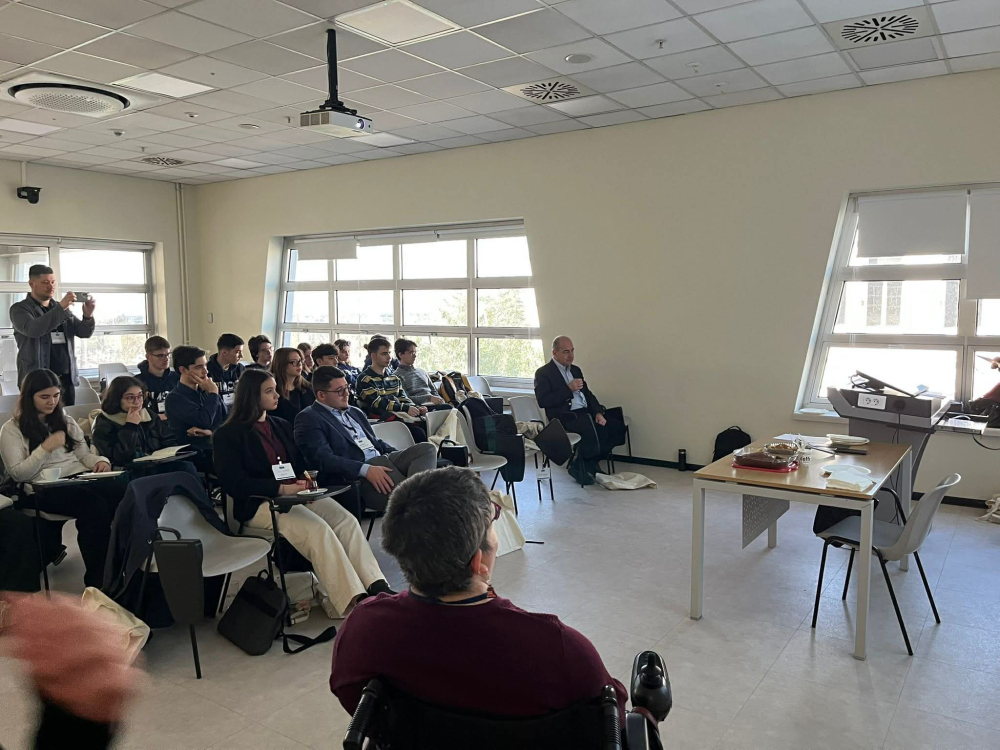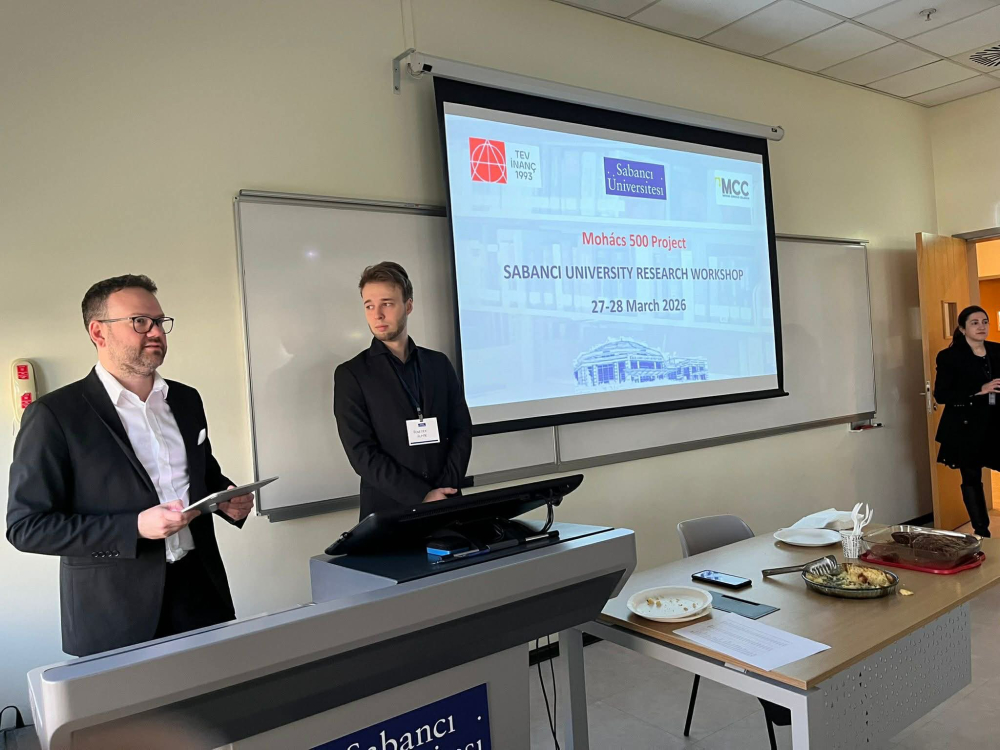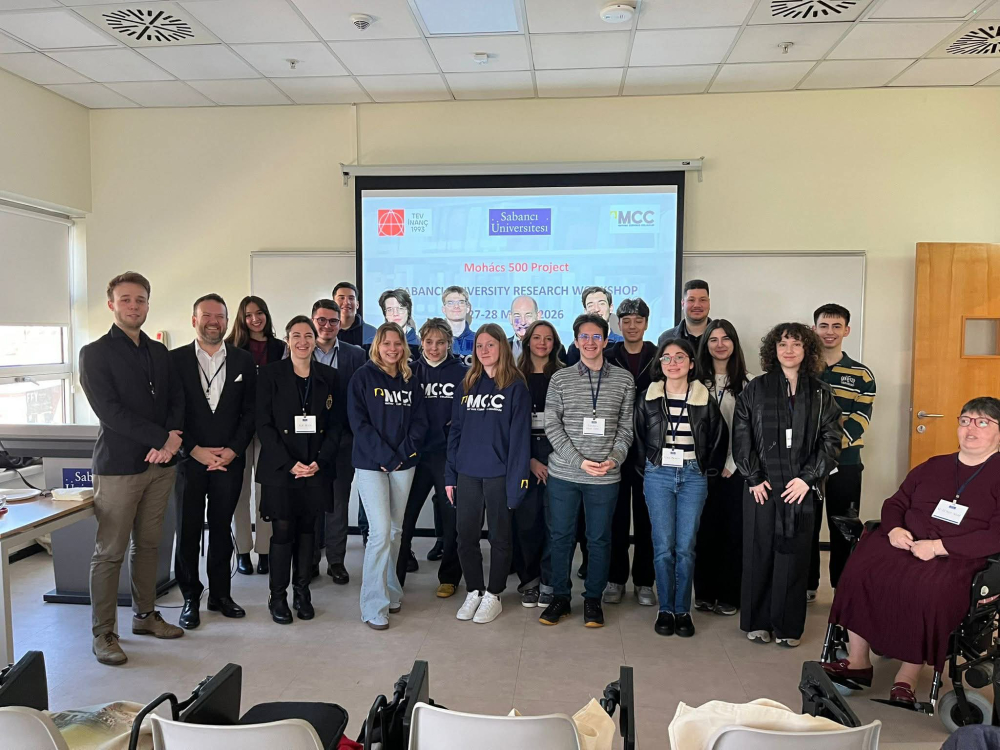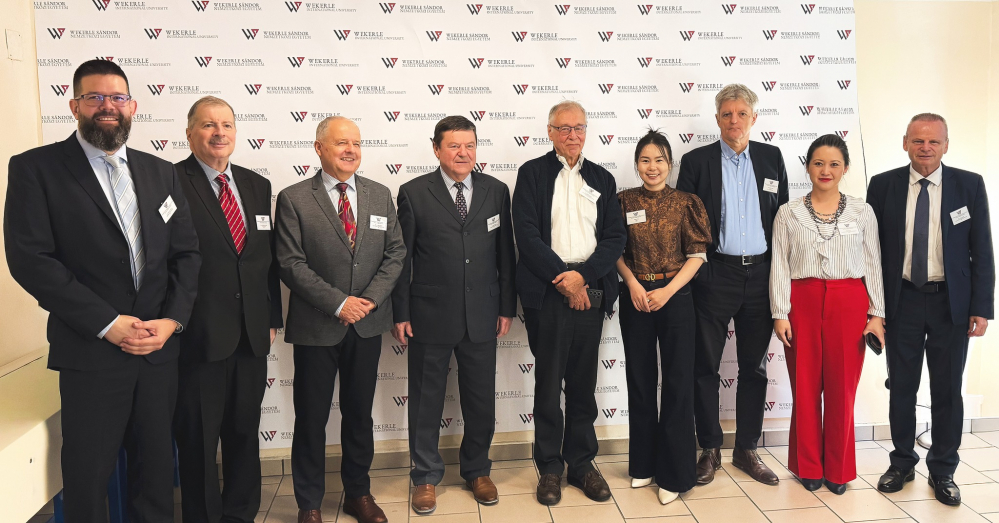
August 29, 2026, marks the 500th anniversary of the Battle of Mohács. In preparation for this event of exceptional significance, the MCC Institute for Learning Research and its High School Program have launched a unique international project in collaboration with TEV İnanç Türkeş High School in Turkey.
The goal of the project
The initiative focuses on the creation of an English-language collection of papers. What makes this publication unique is that the chapters are the result of collaborative work between international teams of high school students and university instructors.
The Start of the Project
The project began in the fall of 2025 with the selection of participants. The high number of applicants clearly indicated the initiative’s popularity among students in the MCC High School Program. Since both the collaborative work and the forthcoming collection of essays are in English, during the selection process held at the MCC in Budapest, students were required to analyse historical sources in English and then demonstrate their reading comprehension and historical perspective during an interview.
At the end of the qualifying round, 8 Hungarian students (4 girls and 4 boys) were selected from various regions of the Carpathian Basin. At the same time, under the leadership of the project’s Turkish coordinator, Ahmet Cem Durak, a selection process also took place at TEV İnanç Türkeş High School in Gebze, where 8 Turkish students were also selected to join the program based on similar criteria.
International Teamwork
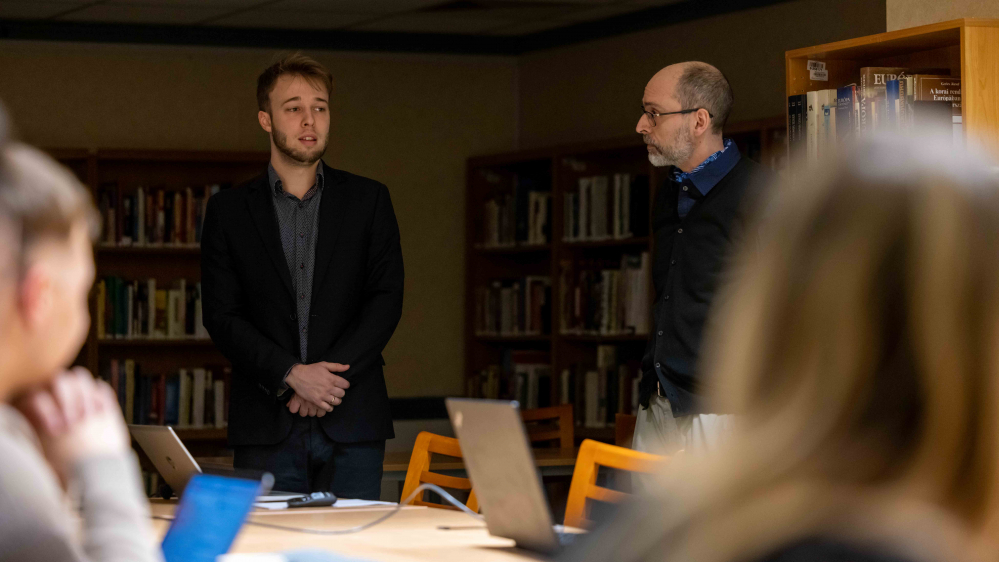
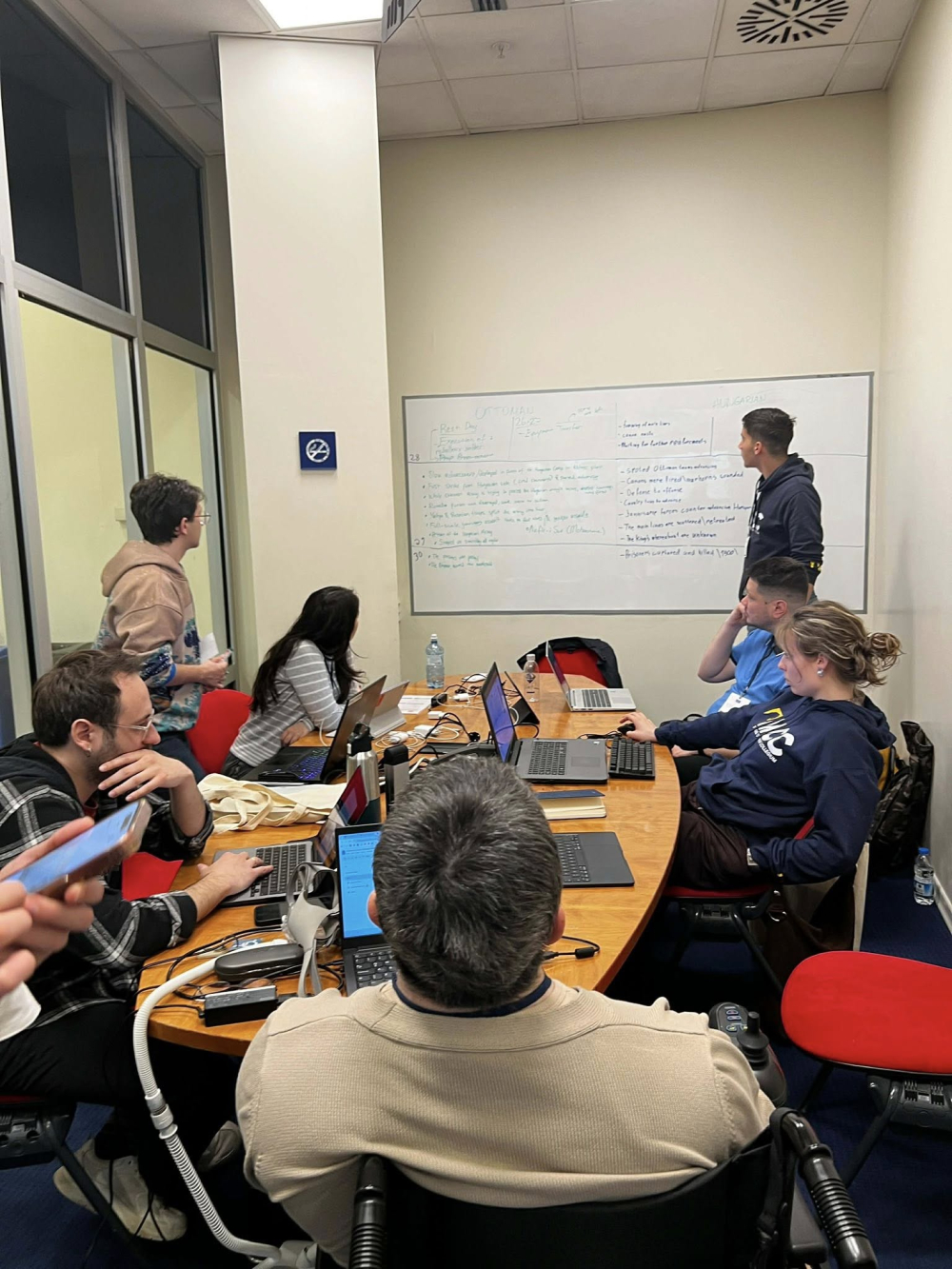
Following the official agreement between the institutions, substantive work began under the leadership of coordinators Ahmet Cem Durak and Benedek Alpár. The 16 students were divided into four teams based on their preliminary preferences: in each team, one Turkish and one Hungarian girl, as well as one Turkish and one Hungarian boy, work together.
The research is conducted in the following four topics:
1. The Analysis of the Battle of Mohács
2. Hungarian Political Emigration in the Ottoman Empire
3. A Diachronic Analysis of Turkic-Hungarian Cultural Synthesis through Archaeology and Mythology
4. How did local armies and intelligence practices on the Hungarian frontier shape the course of the Second Siege of Vienna and Ottoman-Habsburg diplomatic relations?
Since the project launched in the fall, the four teams have been in constant contact with their mentors, and joint meetings and research tasks are proceeding successfully according to the predetermined schedule. The project would not be possible without the work of the mentors, who guide the students’ work with their expertise.
|
Turkish Mentors |
Hungarian Mentors |
|
Dr. Mehmet Ali Neyzi |
Szabó-Bakos György |
|
Dr. Zeynep Nevin Yelc |
Korpai Péter |
|
Dr Ela Bozok |
Hegyi Lili Gerda |
|
Prof. Müge Kanuni Er |
Kelemen Nimród |
|
Ahmet Cem Durak |
Alpár Benedek |